Nearly three out of four American households report challenges keeping up with routine cleaning tasks, especially in faster-paced regions like Massachusetts. For busy property managers and homeowners, tracking every detail without a clear system can mean inconsistent results and wasted time. A comprehensive house cleaner checklist offers clarity and structure, breaking down the steps for each room so you can maintain professional standards and save hours each week.
Table of Contents
- Defining A House Cleaner Checklist
- Essential Cleaning Tasks And Variations
- Eco-Friendly And Standard Practices Compared
- Safety, OSHA, And Legal Requirements
- Pricing, Scheduling, And Service Customization
- Common Checklist Mistakes To Avoid
Key Takeaways
| Point | Details |
|---|---|
| Structured Cleaning Protocols | A house cleaner checklist standardizes cleaning tasks to ensure consistent quality and efficiency across various domestic spaces. |
| Room-Specific Approaches | Tailoring cleaning tasks for specific rooms enhances sanitation and client satisfaction by addressing unique surface and hygiene requirements. |
| Eco-Friendly Practices | Transitioning to eco-friendly cleaning methods reduces health risks and environmental impact, promoting a safer cleaning ecosystem. |
| Customizable Services | Adapting pricing and services to individual client needs establishes operational flexibility and improves client relationships. |
Defining a House Cleaner Checklist
A house cleaner checklist represents a systematic approach to residential cleaning that transforms scattered tasks into a structured, comprehensive cleaning protocol. Occupational guidelines define house cleaning as more than superficial tidying, involving intricate processes that ensure thorough environmental sanitation and organization.
The core purpose of a house cleaner checklist is to standardize cleaning procedures, ensuring consistent quality and efficiency across different residential spaces. Professional house cleaners must navigate complex environments, addressing diverse surfaces, materials, and cleaning requirements. This means tracking multiple dimensions of cleaning beyond simple dusting or vacuuming – including detailed tasks like furniture repositioning, supply replenishment, and maintaining specific hygiene standards for different room types.
A well-designed house cleaner checklist typically encompasses several critical categories of cleaning activities. These generally include room-specific cleaning protocols, which might involve unique approaches for kitchens, bathrooms, bedrooms, and living areas. Such a checklist would outline precise steps for each space, accounting for varying surface types, potential contamination risks, and specific cleaning techniques required for different materials.
The table below summarizes key house cleaning checklist categories and their business impact:
| Checklist Category | Example Activities | Business Benefit |
|---|---|---|
| Room-specific Protocols | Kitchen sanitization, bath cleaning | Tailored service, higher client satisfaction |
| Supply Management | Restocking, tracking products | Prevents shortages, saves time |
| Hygiene Standards | Surface disinfection | Reduces illness, ensures safety |
| Furniture Arrangement | Repositioning, dusting | Improves aesthetics, prevents damage |
Pro tip: Create a laminated, room-by-room cleaning reference sheet that breaks down specific tasks, cleaning products needed, and time estimates to help standardize your cleaning process and improve overall efficiency.
Essential Cleaning Tasks and Variations
House cleaning involves a comprehensive set of tasks that go far beyond simple surface maintenance. Efficient home cleaning guidelines recommend a strategic approach that prioritizes specific areas and employs methodical cleaning techniques to ensure thorough residential sanitation.
Essential cleaning tasks typically encompass multiple domains of home maintenance. These include routine activities like dusting surfaces, vacuuming floors, mopping hard surfaces, disinfecting high-touch areas, and organizing living spaces. Professional cleaners often follow a systematic top-down approach, starting from ceiling corners and working downward to ensure no area is overlooked. Each room requires unique attention – kitchens demand intensive sanitization, bathrooms need specialized disinfection protocols, and living areas require careful surface and furniture treatment.
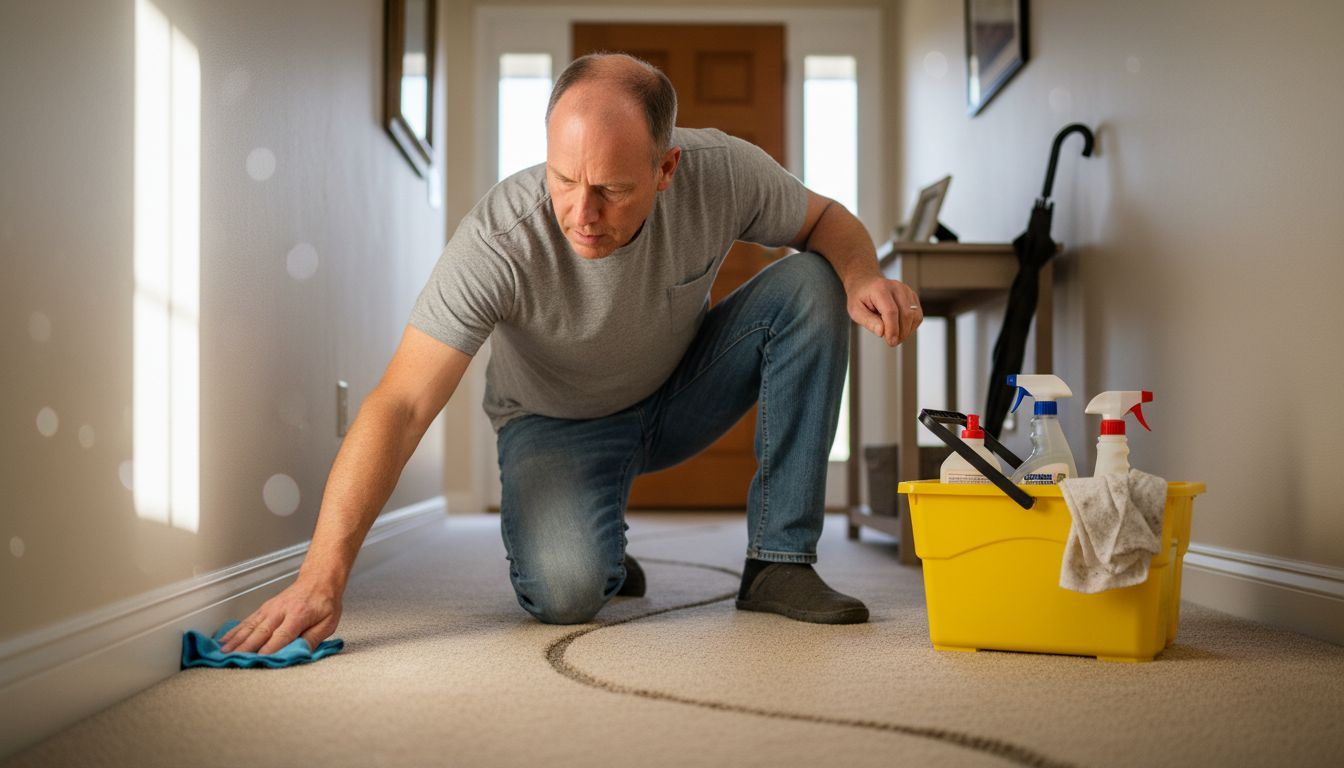
Cleaning variations emerge from different residential environments, surface materials, and specific client requirements. Professional cleaning schedules demonstrate how cleaning tasks can be customized based on space functionality, traffic patterns, and maintenance frequency. Some areas might need daily attention, while others require weekly or monthly deep cleaning approaches. Understanding these nuanced variations helps create more targeted and effective cleaning strategies that address specific residential needs.
Pro tip: Create a customizable cleaning matrix that categorizes tasks by room, frequency, and complexity to streamline your cleaning process and ensure consistent, high-quality results.
Eco-Friendly and Standard Practices Compared
Green cleaning represents a transformative approach to residential and commercial sanitation that prioritizes both environmental and human health. Green cleaning methodologies focus on eliminating toxic chemicals and volatile organic compounds traditionally found in standard cleaning products, offering a more holistic and responsible approach to maintaining clean spaces.
Traditional cleaning practices often rely on harsh chemical agents that can pose significant health risks, whereas eco-friendly alternatives emphasize safer, more sustainable solutions. These environmentally conscious methods involve using products with reduced chemical footprints, minimizing respiratory and skin hazards. Professional cleaning services increasingly recognize the importance of safer cleaning and disinfecting strategies that protect both human health and environmental integrity.
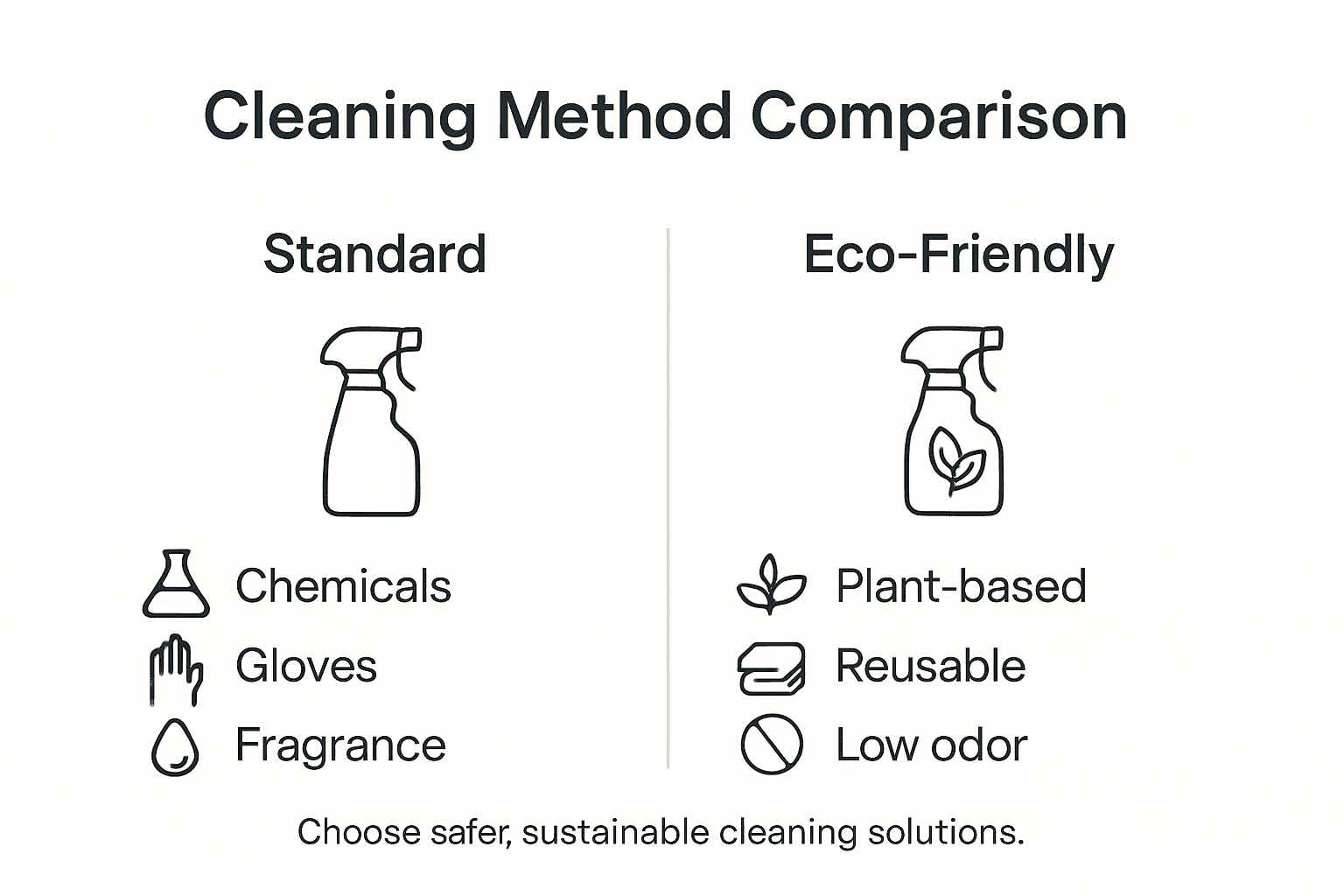
The fundamental differences between standard and eco-friendly cleaning practices extend beyond product selection. Eco-friendly approaches incorporate comprehensive strategies that consider the entire cleaning ecosystem – from product sourcing and manufacturing to application and disposal. This holistic perspective involves selecting EPA Safer Choice labeled products, utilizing microfiber cleaning tools that reduce chemical dependency, implementing water-conservation techniques, and minimizing overall environmental impact. Standard cleaning practices, by contrast, often prioritize immediate cleaning effectiveness over long-term health and environmental consequences.
Here’s a quick comparison of standard versus eco-friendly cleaning practices:
| Aspect | Standard Cleaning | Eco-Friendly Cleaning |
|---|---|---|
| Chemicals Used | Harsh synthetic compounds | Biodegradable, non-toxic solutions |
| Health Impact | May cause irritation/risks | Lower toxicity, safer for all |
| Environmental Impact | Pollution, higher water usage | Reduces waste, conserves resources |
| Product Sourcing | Conventional retail | Eco-labels, sustainable sources |
| Cleaning Tools | Regular cloths/sponges | Microfiber, reusable materials |
Pro tip: Gradually transition to eco-friendly cleaning by replacing one traditional product with a green alternative each month, allowing for a systematic and budget-friendly approach to more sustainable cleaning practices.
Safety, OSHA, and Legal Requirements
Workplace safety in the cleaning industry encompasses a complex network of legal obligations and protective standards designed to safeguard both workers and clients. OSHA standards for the cleaning industry establish comprehensive guidelines that address critical workplace hazards, including chemical exposures, physical risks, and equipment-related safety protocols.
Employers in the cleaning sector must navigate a multifaceted legal landscape that requires meticulous attention to safety protocols. This includes implementing robust housekeeping practices, ensuring proper chemical storage and labeling, maintaining adequate ventilation, and providing appropriate personal protective equipment. Safety practices for handling cleaning chemicals emphasize the critical importance of understanding potential health risks, implementing preventative measures, and creating a comprehensive safety management system that protects workers from potential chemical-related injuries and long-term health complications.
Legal requirements extend beyond basic safety protocols, encompassing detailed documentation, worker training, and continuous risk assessment. Cleaning organizations must develop comprehensive safety programs that include regular risk assessments, detailed chemical inventory management, mandatory safety training sessions, and ongoing employee education about potential workplace hazards. These requirements are not just bureaucratic exercises but critical mechanisms for preventing workplace injuries, protecting worker health, and maintaining legal compliance in an inherently challenging work environment.
Pro tip: Create a comprehensive safety binder that includes all current OSHA guidelines, chemical safety data sheets, and emergency contact information, ensuring immediate access to critical safety resources for all cleaning personnel.
Pricing, Scheduling, and Service Customization
Service customization represents a critical strategy for modern cleaning businesses to meet diverse client needs effectively. Personalized service configuration research demonstrates that tailoring cleaning services requires a nuanced approach that balances client preferences with operational efficiency.
Pricing models in professional cleaning services have evolved beyond traditional flat-rate structures, embracing more flexible and transparent approaches. This involves developing tiered pricing options that reflect the complexity of cleaning tasks, property size, frequency of service, and specific client requirements. Factors such as specialized cleaning needs, additional sanitization protocols, and unique property characteristics now play a significant role in determining service pricing and scheduling.
Professional cleaning associations emphasize the importance of creating adaptable service frameworks that can quickly respond to individual client demands. This means developing comprehensive service packages that allow clients to customize their cleaning experience, from selecting specific rooms or areas to be cleaned, choosing eco-friendly or specialized cleaning products, and establishing flexible scheduling options that accommodate varying lifestyle and work patterns. Successful cleaning services recognize that one-size-fits-all approaches are obsolete in a market that increasingly values personalization and individual attention.
Pro tip: Develop a modular pricing and service menu that allows clients to build their ideal cleaning package, providing transparency and flexibility while clearly communicating the value of each additional service.
Common Checklist Mistakes to Avoid
Cleaning checklists serve as essential roadmaps for maintaining thorough and systematic cleaning processes, but several critical errors can compromise their effectiveness. Household cleaning product safety research reveals that many mistakes stem from inadequate understanding of product usage, storage, and potential risks.
One of the most prevalent mistakes involves creating overly generic or inflexible cleaning checklists that fail to account for specific residential or commercial environments. Effective checklists must be dynamic, adaptable documents that consider unique space characteristics, surface materials, client preferences, and potential environmental constraints. Common errors include overlooking specialized cleaning requirements for different rooms, neglecting to specify precise cleaning techniques for various surfaces, and failing to establish clear priority levels for different cleaning tasks.
Another significant pitfall is the improper management of cleaning supplies and equipment within the checklist framework. This includes failing to specify exact product quantities, omitting critical safety protocols for chemical handling, not documenting equipment maintenance schedules, and neglecting to update cleaning protocols as new technologies or eco-friendly alternatives emerge. Successful cleaning checklists must transcend simple task listing and become comprehensive operational guides that ensure consistent quality, safety, and efficiency across all cleaning scenarios.
Pro tip: Develop a digital, cloud-based cleaning checklist that can be easily updated, shared, and customized, allowing real-time modifications and ensuring all team members have access to the most current cleaning guidelines.
Elevate Your Cleaning Standards with Trusted Professionals
If you find managing a detailed house cleaner checklist overwhelming or struggle to maintain consistent cleaning standards across every room, you are not alone. This article outlines crucial pain points such as tracking room-specific tasks, adhering to safety and hygiene protocols, and balancing eco-friendly practices. At E.C. House Cleaning, we specialize in transforming those complexities into seamless service experiences by using expert checklists and professional-grade methods tailored for every home or business.
Our team’s dedication to quality and efficiency aligns perfectly with your goal of raising cleaning standards while ensuring safety and sustainability. Explore how our cleaners embody what a house cleaner does and gain more insights through our expert cleaning tips. We emphasize personalized care, trusted eco-friendly products, and rigorous safety practices, making us your ideal partner in maintaining a healthier, cleaner environment.
Ready to experience impeccable cleaning that follows the highest standards and detailed checklists without the hassle? Visit E.C. House Cleaning today to schedule your free consultation. Let us customize a cleaning plan that fits your unique needs while saving you time, stress, and effort. Take control of your home or business cleanliness now with trusted Massachusetts professionals.
Frequently Asked Questions
What is a house cleaner checklist?
A house cleaner checklist is a structured guide used to ensure thorough and consistent cleaning of residential spaces. It includes specific tasks categorized by room and cleaning requirements, aiming to improve sanitation and organization.
How can I customize a house cleaner checklist for my home?
You can customize a house cleaner checklist by identifying unique cleaning tasks for each room, specifying cleaning techniques based on surface materials, and adjusting the frequency of cleaning based on usage and specific client needs.
What are some essential tasks to include in a house cleaner checklist?
Essential tasks in a house cleaner checklist often include dusting surfaces, vacuuming and mopping floors, disinfecting high-touch areas, cleaning kitchens and bathrooms, and organizing living spaces to ensure comprehensive sanitation.
How does eco-friendly cleaning differ from standard cleaning practices?
Eco-friendly cleaning focuses on using biodegradable and non-toxic cleaning products and techniques that minimize environmental impact, while standard cleaning often relies on harsher chemicals. Eco-friendly practices prioritize health and sustainability over immediate cleaning effectiveness.