Rushing through chores after a long day in Massachusetts, you want a kitchen that feels truly clean without risking harsh chemical exposure. Maintaining a healthy home environment matters not just for daily comfort but also for protecting your family from food safety risks and unnecessary toxins. This guide reveals how a well-structured kitchen cleaning template empowers consistent hygiene and eco-friendly maintenance, helping you streamline routines while caring for both your household and the environment.
Table of Contents
- Defining A Kitchen Cleaning Template
- Choosing The Right Template For Your Needs
- Eco-Friendly Supplies And Methods Explained
- Step-By-Step Kitchen Cleaning Process
- Common Mistakes And Best Practices
Key Takeaways
| Point | Details |
|---|---|
| Kitchen Cleaning Template | A kitchen cleaning template streamlines maintenance tasks, ensuring cleanliness and preventing food safety risks. |
| Frequency of Tasks | Cleaning tasks should be categorized by frequency—daily, weekly, monthly, and seasonal—to maintain a hygienic environment. |
| Eco-Friendly Practices | Utilizing eco-friendly cleaning supplies not only benefits the environment but also promotes household health by reducing exposure to harsh chemicals. |
| Systematic Cleaning Process | A methodical cleaning approach, including a top-to-bottom sequence, is crucial for effective kitchen sanitation and preventing cross-contamination. |
Defining A Kitchen Cleaning Template
A kitchen cleaning template is a strategic organizational blueprint designed to streamline and systematize kitchen maintenance tasks. By creating a comprehensive sanitation schedule template, homeowners in Massachusetts can ensure consistent cleanliness, prevent potential food safety risks, and maintain a hygienic cooking environment.
At its core, a kitchen cleaning template serves multiple critical functions:
- Establishes clear cleaning responsibilities
- Defines specific cleaning methods and frequencies
- Tracks completion of essential sanitation tasks
- Creates accountability for kitchen hygiene standards
- Helps prevent cross-contamination and foodborne illnesses
The most effective kitchen cleaning templates break down tasks into distinct categories based on frequency and complexity. These typically include daily, weekly, monthly, and seasonal cleaning protocols that address different areas and surfaces within the kitchen.
A well-designed kitchen cleaning template transforms random cleaning efforts into a structured, systematic approach that guarantees comprehensive maintenance.
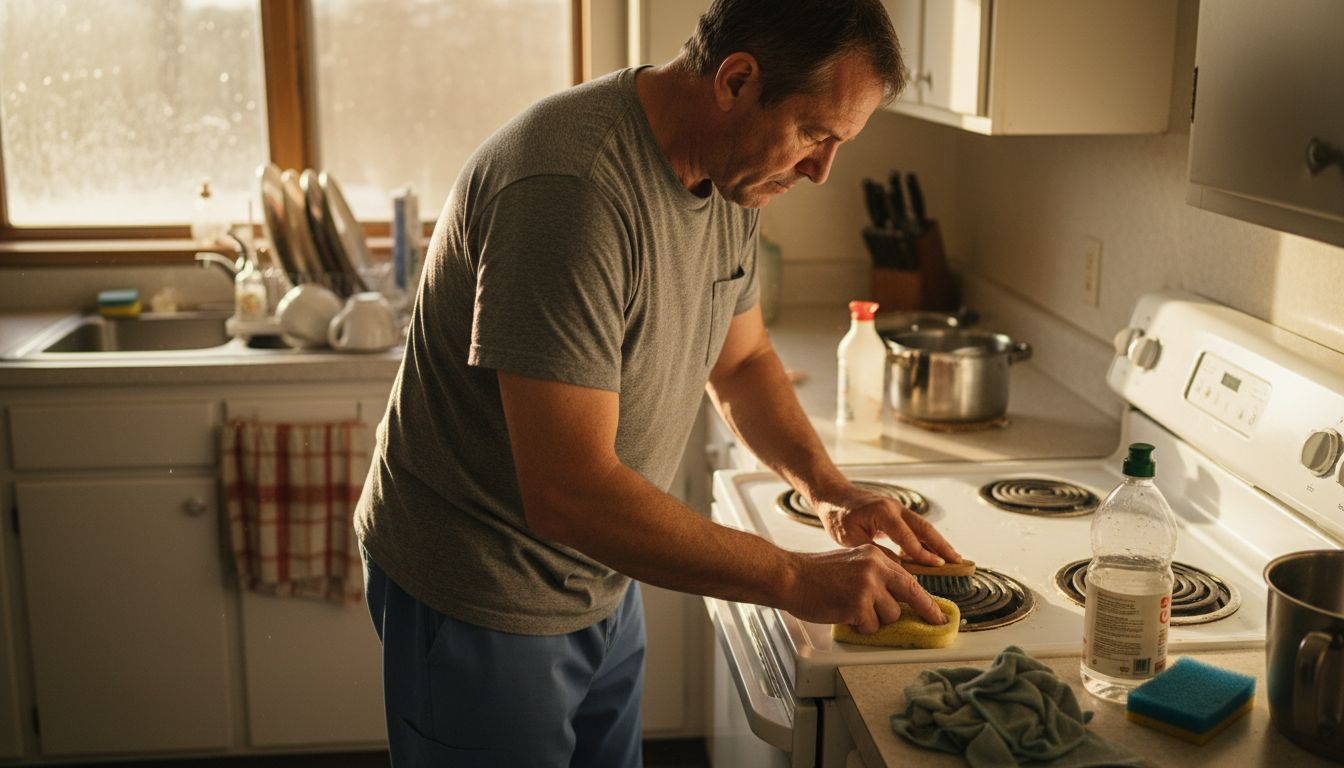
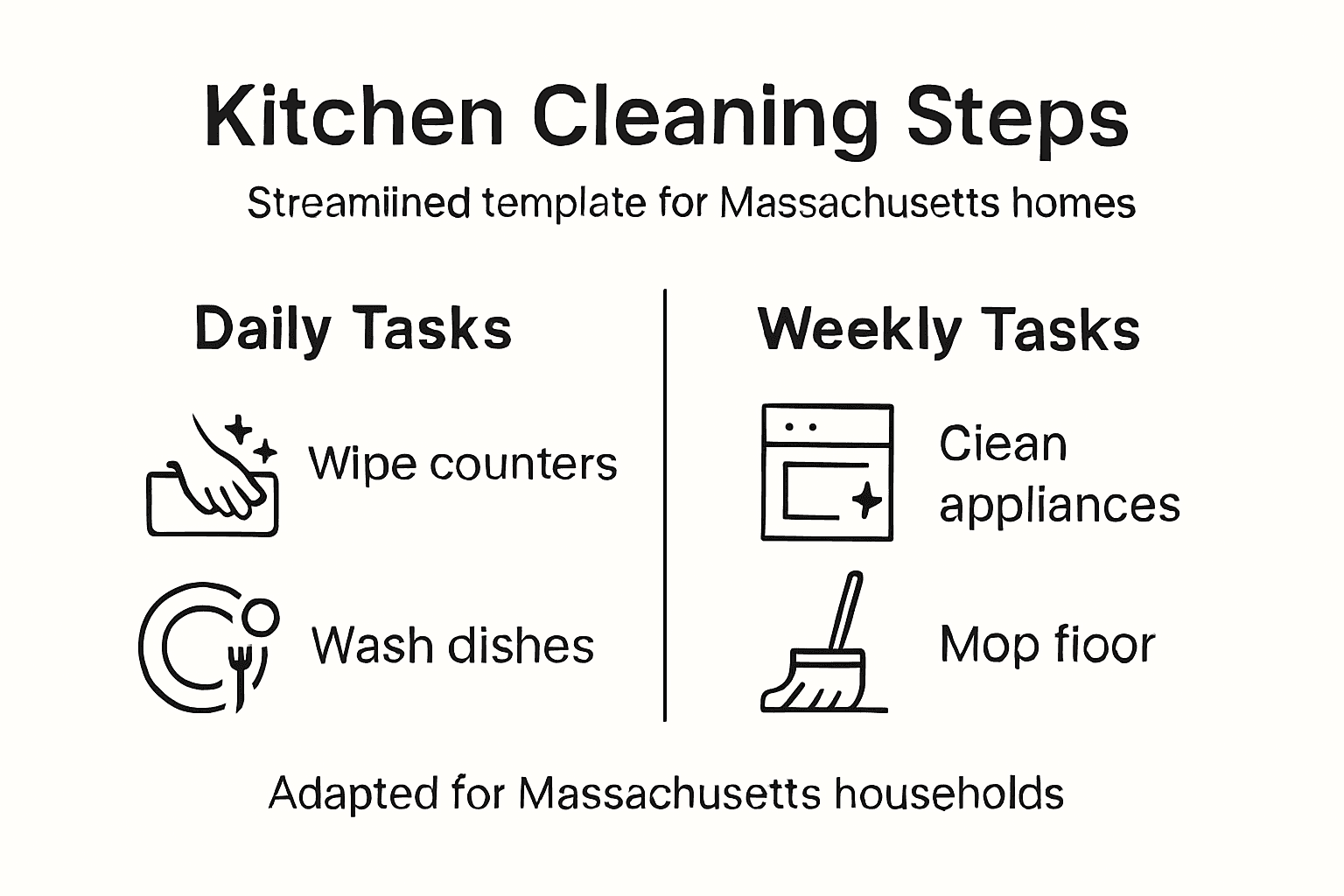
Daily tasks might involve wiping counters, cleaning stovetops, and washing dishes, while weekly tasks could include deeper cleaning of appliances, scrubbing sinks, and sanitizing high-touch surfaces. Monthly tasks often target harder-to-reach areas like inside refrigerators, underneath major appliances, and deep cleaning of kitchen fixtures.
Here’s a summary of typical cleaning task frequencies and examples for each category:
| Task Frequency | Main Areas Covered | Example Activities |
|---|---|---|
| Daily | Surfaces & dishes | Wipe counters, wash dishes |
| Weekly | Appliances & sinks | Clean refrigerator exterior, scrub sink |
| Monthly | Fixtures & hidden spots | Deep clean light fixtures, behind stove |
| Seasonal | Comprehensive areas | Clean pantry shelves, sanitize trash bins |
Implementing a kitchen cleaning template requires careful planning and consistent execution. Homeowners should customize their template to match their specific kitchen layout, cooking habits, and household needs.
Pro tip: Create a laminated kitchen cleaning checklist and post it in a visible location to help track and maintain your cleaning routine efficiently.
Choosing The Right Template For Your Needs
Selecting the perfect kitchen cleaning template requires careful consideration of your specific household needs and cleaning challenges. Customizing your cleaning schedule involves understanding your kitchen’s unique characteristics, usage patterns, and maintenance requirements.
When evaluating potential kitchen cleaning templates, consider these critical factors:
- Size and layout of your kitchen
- Number of household members
- Cooking frequency and types of meals prepared
- Specific surface materials
- Time available for cleaning tasks
- Presence of children or pets
Effective templates typically include multiple complexity levels to accommodate different cleaning needs. Comprehensive cleaning templates are structured to address various aspects of kitchen maintenance, ranging from quick daily touch-ups to intensive deep-cleaning sessions.
A well-designed cleaning template adapts to your lifestyle while maintaining consistent hygiene standards.
The most adaptable templates break down cleaning tasks into strategic categories:
- Daily maintenance tasks
- Weekly deep-cleaning protocols
- Monthly intensive cleaning procedures
- Seasonal comprehensive sanitization
Each category should include specific instructions tailored to different kitchen zones, including countertops, appliances, flooring, and hard-to-reach areas. Homeowners should prioritize templates that offer flexibility and can be easily modified to suit changing household dynamics.
Key considerations for template selection include ease of use, comprehensiveness, and alignment with Massachusetts health and safety guidelines. Digital templates or laminated checklists can provide additional convenience and trackability.
Pro tip: Review and adjust your cleaning template quarterly to ensure it remains effective and responsive to your household’s evolving needs.
Eco-Friendly Supplies And Methods Explained
Homeowners seeking sustainable kitchen cleaning solutions can significantly reduce their environmental impact by adopting safer cleaning practices. Green cleaning methods not only protect the environment but also safeguard the health of household members by minimizing exposure to harsh chemicals.
Key characteristics of eco-friendly cleaning supplies include:
- Plant-based ingredients
- Biodegradable formulations
- Non-toxic composition
- Minimal packaging waste
- Cruelty-free production
- Low environmental impact
Natural cleaning alternatives have emerged as powerful replacements for traditional chemical-laden products. Ingredients like white vinegar, baking soda, and lemon juice can effectively clean and disinfect kitchen surfaces without introducing harmful toxins into your home environment.
Compare natural cleaning alternatives for eco-friendly kitchens:
| Ingredient | Primary Use | Environmental Benefit | Health Impact |
|---|---|---|---|
| White vinegar | Disinfect surfaces | Biodegradable | Non-toxic; safe for use |
| Baking soda | Scrub & deodorize | No packaging waste | Low allergen risk |
| Lemon juice | Cut grease/stains | Compostable leftovers | Antibacterial property |
Sustainable cleaning is about more than just using green products – it’s a holistic approach to maintaining a healthy living space.
Effective eco-friendly cleaning methods involve strategic approaches:
- Use microfiber cloths to reduce paper towel waste
- Create homemade cleaning solutions
- Purchase concentrated products to minimize packaging
- Choose reusable cleaning tools
- Opt for refillable cleaning product containers
Ingredient transparency is crucial when selecting green cleaning supplies. Massachusetts homeowners should carefully review product labels, looking for certifications from reputable environmental organizations that validate a product’s eco-friendly claims.
Pro tip: Create a DIY cleaning solution kit with white vinegar, baking soda, and essential oils to replace multiple commercial cleaning products.
Step-By-Step Kitchen Cleaning Process
Massachusetts homeowners can optimize their kitchen cleaning routine by implementing systematic food safety protocols. A comprehensive approach ensures thorough cleaning while preventing potential health risks associated with improper kitchen maintenance.
The kitchen cleaning process involves several strategic stages:
- Gather all necessary cleaning supplies
- Remove items from countertops and surfaces
- Clear and organize kitchen workspace
- Prepare cleaning solutions
- Establish a systematic cleaning sequence
Cleaning sequence recommendations focus on a top-to-bottom, left-to-right approach that prevents recontamination and ensures maximum efficiency. This methodical strategy helps homeowners cover every surface systematically without missing critical areas.
Effective kitchen cleaning is a deliberate process that requires planning, attention to detail, and consistent execution.
Detailed kitchen cleaning steps include:
- Start with overhead surfaces and light fixtures
- Clean upper cabinets and appliance exteriors
- Wipe down countertops and backsplashes
- Clean stovetop and surrounding areas
- Sanitize sink and faucet
- Sweep and mop floor surfaces
- Empty and sanitize trash containers
Two-stage cleaning method involves a critical two-phase approach. The first stage uses hot water and detergent to remove organic matter, while the second stage applies sanitizing agents to eliminate microbial contamination.
Kitchen cleaning protocols demand careful attention to different surface types, understanding their specific cleaning requirements and potential vulnerabilities. Ceramic, stainless steel, granite, and wooden surfaces each require tailored cleaning techniques to maintain their integrity.
Pro tip: Develop a consistent cleaning playlist that keeps you motivated and helps track time spent on each cleaning stage.
Common Mistakes And Best Practices
Massachusetts homeowners can significantly improve their kitchen cleaning effectiveness by understanding common food safety errors. Recognizing and avoiding typical cleaning mistakes helps prevent potential health risks and maintains a hygienic kitchen environment.
Frequent kitchen cleaning mistakes include:
- Using the same cleaning cloth across multiple surfaces
- Neglecting hard-to-reach areas
- Improper food handling techniques
- Skipping regular deep cleaning sessions
- Inadequate sanitization of high-touch surfaces
- Ignoring manufacturer-specific cleaning instructions
Cross-contamination risks emerge when cleaning protocols are inconsistent or poorly executed. Homeowners must develop a systematic approach that prevents bacterial spread and maintains comprehensive kitchen hygiene.
Effective kitchen cleaning is not about perfection, but about consistent and methodical maintenance.
Best practices for kitchen cleaning involve multiple strategic approaches:
- Use color-coded cleaning cloths for different surfaces
- Clean from top to bottom to prevent re-contamination
- Regularly replace sponges and cleaning tools
- Allow proper dwell time for cleaning solutions
- Use separate cutting boards for raw and cooked foods
Verification techniques are critical in ensuring cleaning effectiveness. Simply completing tasks is insufficient; homeowners must actively inspect and validate their cleaning outcomes to maintain high hygiene standards.
Kitchen sanitation protocols require continuous learning and adaptation. Staying informed about the latest cleaning techniques and understanding the science behind effective sanitization helps create a safer, healthier kitchen environment.
Pro tip: Create a weekly kitchen cleaning audit checklist to systematically track and improve your cleaning performance.
Simplify Your Kitchen Cleaning Routine with Expert Help
Maintaining a spotless kitchen can be challenging, especially when balancing daily tasks with thorough deep cleaning. This article highlights the importance of a structured kitchen cleaning template to avoid common pitfalls like missed hard-to-reach spots or ineffective sanitizing. If you are looking to transform your kitchen upkeep from overwhelming to effortless, professional cleaning support can make all the difference. Using tailored services that respect eco-friendly practices boosts your kitchen’s hygiene while protecting your family’s health.

Discover how skilled professionals can tackle cleaning challenges whether you need help with surface care, including specialized areas such as how to clean kitchen tiles or a stainless steel kitchen sink. Take the next step towards a fresher, safer kitchen by booking your service at E.C. House Cleaning today. Enjoy peace of mind knowing your kitchen is maintained with experience, integrity, and eco-friendly solutions tailored for Massachusetts homes.
Frequently Asked Questions
What is a kitchen cleaning template?
A kitchen cleaning template is a strategic organizational blueprint designed to systematize kitchen maintenance tasks, ensuring consistent cleanliness and reducing potential food safety risks.
How often should I clean different areas of my kitchen?
Cleaning tasks can be categorized by frequency: daily tasks should involve basic upkeep like wiping counters and washing dishes, weekly tasks include deeper cleaning like scrubbing sinks and appliances, monthly tasks target hard-to-reach areas, and seasonal tasks cover comprehensive areas such as organizing the pantry.
What eco-friendly cleaning supplies can be used in the kitchen?
Eco-friendly cleaning supplies often include plant-based ingredients, biodegradable formulations, and non-toxic compositions. Common natural cleaning alternatives are white vinegar, baking soda, and lemon juice, which effectively clean and disinfect without harmful chemicals.
How can I avoid cross-contamination while cleaning my kitchen?
To prevent cross-contamination, use color-coded cleaning cloths for different surfaces, avoid using the same cleaning tools across multiple areas, and ensure thorough sanitization of high-touch surfaces. Additionally, regularly replace cleaning tools and follow a top-to-bottom cleaning approach.