Guest complaints about cleanliness can sink even the best vacation rental in Massachusetts. As property managers, staying ahead means using methods grounded in nationally recognized standards, not guesswork. The U.S. Department of Housing and Urban Development sets clear benchmarks for sanitation and maintenance in rental homes, giving managers a measurable way to meet expectations and prevent costly disputes. This guide reveals practical solutions and proven frameworks to help you impress guests and maintain a flawless reputation.
Table of Contents
- Defining Vacation Rental House Cleaning Standards
- Essential Cleaning Supplies and Tools List
- Room-Specific Cleaning Procedures Explained
- Final Inspection and Guest-Readiness Assessment
- Compliance With Health and Safety Regulations
- Time-Saving Strategies for Busy Property Managers
Key Takeaways
| Point | Details |
|---|---|
| Establish Cleaning Standards | Define measurable cleaning standards using frameworks like HUD Housing Quality Standards for accountability and consistent guest experience. |
| Utilize the Right Supplies | Maintain a curated inventory of essential cleaning supplies, including EPA-registered disinfectants, to ensure effectiveness and efficiency. |
| Implement Room-Specific Procedures | Apply tailored cleaning techniques for each room type to maximize cleanliness and minimize time spent on cleaning. |
| Conduct Final Inspections | Use a structured checklist for final inspections to ensure compliance with cleanliness standards before guest arrivals. |
Defining Vacation Rental House Cleaning Standards
When you’re managing vacation rental properties in Massachusetts, understanding what “clean” actually means separates the property managers who get consistent 5-star reviews from those struggling with guest complaints. The answer isn’t left to opinion or intuition. Professional cleaning standards exist because guests arrive with expectations shaped by previous stays at other properties, hospitality industry norms, and increasingly, by what major platforms like Airbnb communicate as acceptable baselines.
The foundation of these standards comes from proven frameworks. HUD Housing Quality Standards establish clear requirements for sanitation, cleanliness, and maintenance across rental properties, defining specific performance criteria rather than vague concepts. This means instead of aiming for “reasonably clean,” you’re targeting measurable conditions: functioning sanitary facilities, properly maintained living spaces, and environments free from health hazards. These aren’t luxury standards either. They represent baseline expectations that protect both your guests and your liability.
Beyond governmental baselines, industry professionals reference internationally recognized cleaning standards that establish rigorous quality expectations. These standards emphasize professionalism and consistency in how properties are evaluated and cleaned, moving beyond simple visible dirt to comprehensive hygiene practices. For vacation rentals specifically, this translates to detailed expectations across multiple dimensions:
- Surface hygiene: Kitchen counters, appliances, and bathrooms free from grime and bacteria growth
- Air quality: Proper ventilation, odor elimination, and allergen management between guests
- Textile condition: Clean linens, towels, and upholstered furniture without stains or wear patterns
- Floor integrity: No sticky residue, proper maintenance of all flooring types, and accessible areas cleaned thoroughly
- Hardware functionality: Working light fixtures, clean door handles, and unobstructed entry points
Massachusetts property managers benefit from establishing written cleaning standards specific to their properties because they create accountability, consistency, and measurable outcomes. When your cleaning team knows that the bathroom sink must gleam without water spots and bedsheets must be changed regardless of visible use, you eliminate guesswork. These standards also protect you during disputes. A guest claiming inadequate cleaning encounters greater difficulty challenging documented, objective standards than subjective complaints.
Here’s how different cleaning standards impact vacation rental outcomes:
| Standard Type | Key Focus | Benefit to Guests | Value for Managers |
|---|---|---|---|
| HUD Housing Quality | Basic sanitation, safety | Reliable cleanliness, safety | Reduces liability, assures compliance |
| International Standards | Deep hygiene, consistency | Healthier stay, higher trust | Boosts ratings, easier training |
| Customized Property Standard | Tailored checklists, visuals | Personalized comfort, clear expectations | Accountability, easier dispute resolution |
Pro tip: Document your specific cleaning standards in a checklist that references both industry best practices and your property’s unique layout, then photograph the property in ideal condition as a visual reference for your cleaning team to match each turnover.
Essential Cleaning Supplies and Tools List
You can’t deliver consistently clean vacation rentals without stocking the right supplies. It’s not about having everything under the sun, it’s about having the tools that actually work and that your cleaning team will consistently use. Massachusetts property managers who maintain high guest satisfaction typically maintain a curated supply inventory rather than a chaotic stockpile of half-empty bottles and worn-out equipment.
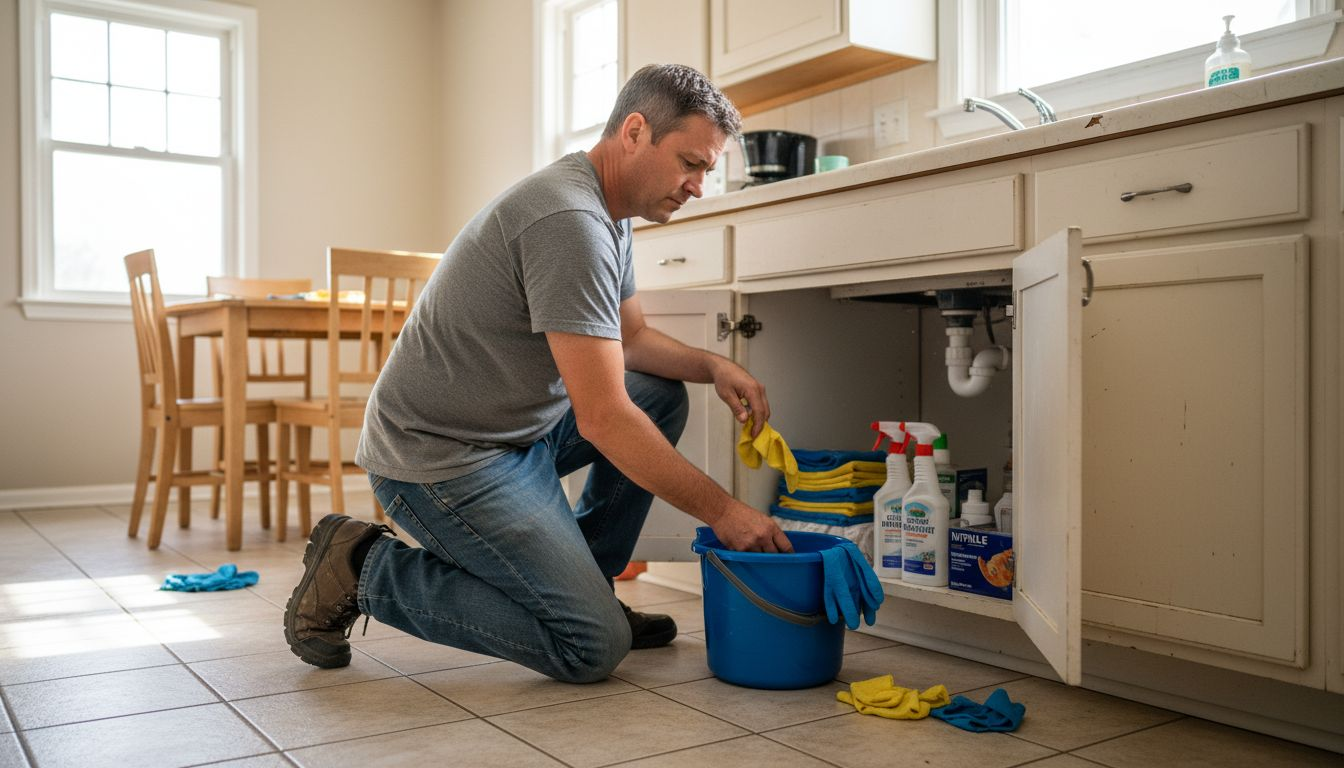
The basics start with what works reliably across different surfaces and situations. Your core inventory should include multipurpose cleaners for general surfaces, bathroom-specific products for tile and fixtures, and kitchen degreasers for appliances. But here’s what separates adequate from excellent: EPA-registered disinfectants that actually eliminate germs rather than just masking them. CDC guidance emphasizes that high-touch surfaces like door handles, light switches, and bathroom fixtures require proper disinfection, not just surface wiping. Beyond products themselves, your toolkit needs microfiber cloths, which trap dirt and bacteria far more effectively than cotton cloths, quality mops for different floor types, and heavy-duty garbage bags that won’t split mid-cleanup.
Personal protective equipment matters more than many property managers realize. Quality gloves protect both your cleaning team’s hands and prevent cross-contamination between rooms. Microfiber cloths deserve special mention because they’re genuinely worth the investment. A single microfiber cloth outlasts dozens of paper towels and reduces your environmental footprint while cutting supply costs over time. The American Cleaning Institute recommends organizing supplies by room type and storage location, which dramatically improves cleaning speed and consistency.
Consider your specific property needs when building your supply list. A rental with multiple bathrooms needs more bathroom-focused products. Vacation homes with kitchens that see heavy use require industrial-strength degreasers. Properties with carpeting need carpet-specific equipment and spot removers. Rather than guessing, walk through your property with your cleaning team and identify exactly which surfaces, fixtures, and problem areas they encounter. This targeted approach prevents wasted spending on supplies that sit unused while you run short on what you actually need.
Pro tip: Keep a backup supply of your most-used items (disinfectants, microfiber cloths, gloves) stored at the property itself rather than having cleaners transport everything each visit, which saves time and ensures consistency across all cleaning cycles.
Below is an overview of essential cleaning supply categories, their purpose, and inventory tips:
| Supply Category | Primary Use | Inventory Best Practice |
|---|---|---|
| Disinfectants | Kill germs on surfaces | Stock property backups |
| Textile Care | Launder linens, towels | Match to unit size |
| Floor Tools | Clean and maintain floors | Store by room type |
| PPE (Gloves, etc.) | Protect cleaners, avoid contamination | Invest in quality, not quantity |
Room-Specific Cleaning Procedures Explained
Cleaning a vacation rental isn’t a one-size-fits-all operation. A bathroom requires completely different techniques, products, and attention than a kitchen or bedroom. Property managers who understand these distinctions deliver consistently impressive results while actually saving time, because you’re not applying bathroom-specific disinfectants to kitchen counters or wasting effort on procedures that don’t match the room’s actual needs.
Start every room with the same foundational approach: remove clutter first, then work systematically from top to bottom. This prevents dust and debris from falling onto already-cleaned surfaces. For bathrooms, the priority shifts to high-touch disinfection because these are germ transmission hotspots in any rental. Toilets, faucets, sink handles, and shower fixtures require proper sanitizing and disinfecting procedures that go beyond simple wiping. Spray disinfectant on these surfaces, let it sit for the manufacturer’s recommended contact time (typically 10 minutes), then wipe. The waiting period is crucial because it’s what actually kills germs rather than just spreading them around. Tile grout and bathroom floors demand attention too, since moisture creates mold growth between guests.
Kitchens require different rigor. Your cleaning team needs to recognize that a stove with baked-on food requires degreasers and sometimes steel wool, while granite countertops need pH-neutral cleaners that won’t etch the surface. Refrigerator interiors get overlooked constantly but guests notice immediately when they open the fridge to find previous guest debris. The systematic sequence starting with clutter removal, dusting from top to bottom, and leaving floors for last applies across all rooms, but kitchen execution demands knowledge of which products work on which surfaces. Avoid bleach on stainless steel appliances because it causes pitting.
Bedrooms and living areas focus on allergen removal and odor elimination. Vacuum thoroughly, including under beds and between cushions. Wash all linens in hot water between guests regardless of visible staining. Wipe light switches, remote controls, and door handles because these accumulate skin cells and bacteria. Don’t skip baseboards and ceiling corners where dust settles.
Always finish any room by cleaning floors last so you’re not walking through clean areas with dirty shoes. This simple sequencing prevents redoing work.
Pro tip: Create laminated room-specific checklists that your cleaning team uses during each turnover, with different colors for bathroom, kitchen, and bedroom to prevent mixing procedures and ensure nothing gets overlooked.
Final Inspection and Guest-Readiness Assessment
The cleaning work isn’t actually finished when your team leaves the property. The final inspection is where you catch what got missed, verify standards were met, and confirm the property genuinely is ready for incoming guests. This step separates property managers who deliver consistent five-star reviews from those constantly fielding guest complaints about cleanliness.
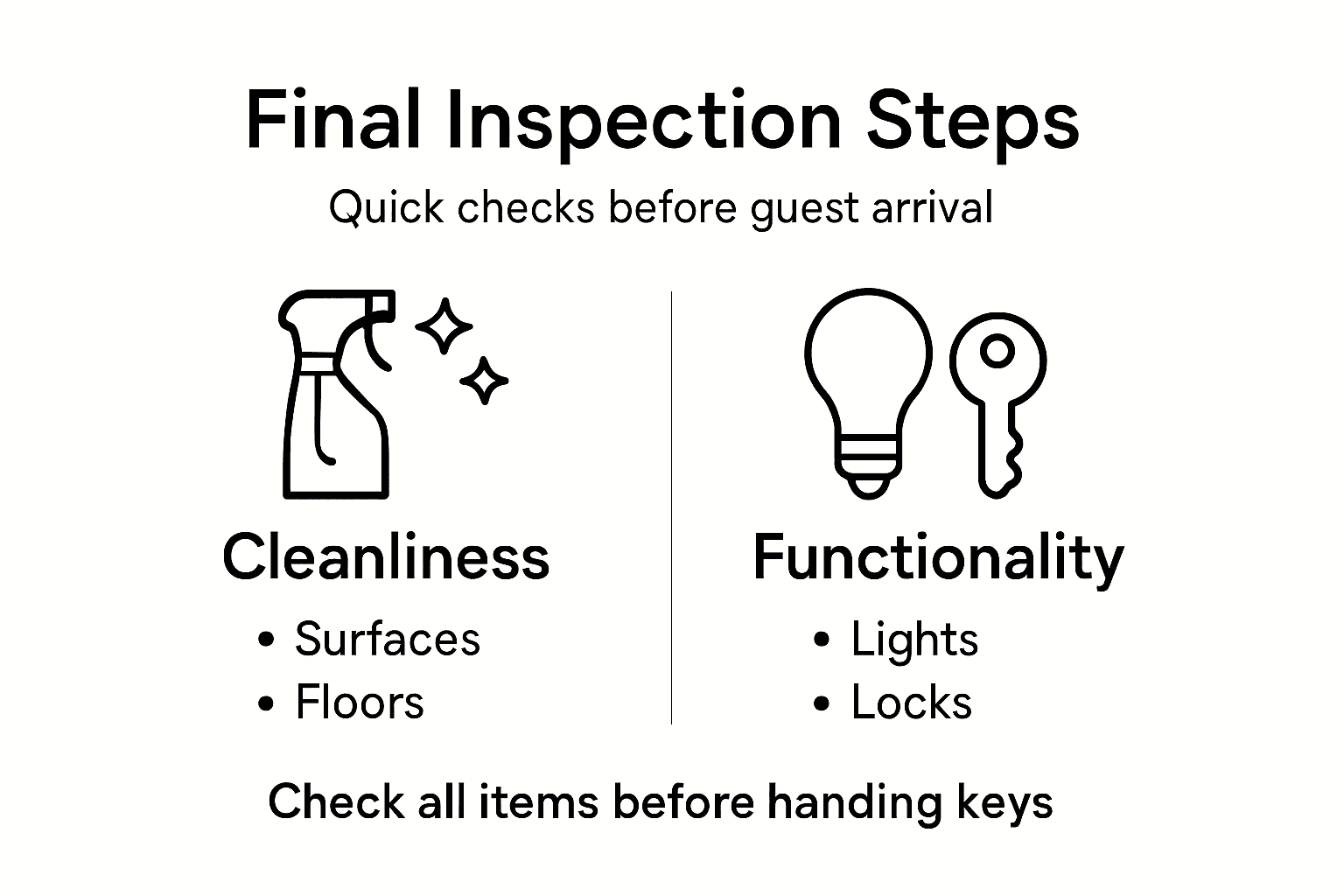
Your final inspection needs structure. Don’t just walk through and hope everything looks good. Use a systematic checklist approach that verifies all areas meet cleanliness and safety standards before guest arrival. Start in the same location every time, follow the same sequence, and check the same items. This consistency prevents your brain from autopiloting past problems. Walk through each bedroom and verify mattresses are spotless, sheets are crisp and wrinkle-free, and pillows show no stains or odors. Check closets for previous guest belongings or debris. In bathrooms, inspect toilets from multiple angles including underneath the rim, verify shower walls and doors are spotless without water spots, and confirm all fixtures are dry and gleaming.
The kitchen demands particular attention because it’s where guests judge cleanliness most harshly. Open every cabinet and drawer to confirm interiors are clean. Check inside the refrigerator, microwave, and dishwasher. Wipe down appliance exteriors one final time if needed. Look at light fixtures because burned-out bulbs are an instant signal of poor maintenance. Comprehensive inspection checklists itemizing cupboards, windows, light fixtures, and surfaces help confirm thorough cleaning before guests arrive.
Beyond cleanliness, assess functionality. Test all light switches, verify wifi works, check that the door locks function smoothly, and confirm the thermostat operates properly. A spotless property with broken amenities creates guest frustration faster than visible dust. Take photos during your final inspection. These images serve multiple purposes: they document the property condition before guest arrival, provide evidence if disputes arise, and give you a baseline for future comparisons.
Timing matters. Conduct your final inspection as close to guest check-in as possible, ideally within an hour of arrival. Properties sit empty after cleaning, and dust settles, pets shed, or unexpected issues emerge. A quick final walkthrough right before guests arrive ensures you’re delivering what you actually promised.
Pro tip: Use your phone to photograph any areas that consistently require attention between cleanings, then share these photos with your cleaning team so they know exactly where to focus additional effort on future turnovers.
Compliance With Health and Safety Regulations
Compliance isn’t optional for vacation rental property managers in Massachusetts. It’s the foundation that protects your guests, shields you from liability, and keeps your business operating legally. Many property managers think of regulations as bureaucratic hurdles, but they actually represent decades of research into what keeps people safe and healthy in rental environments. Ignoring them creates financial and legal exposure that far exceeds the cost of proper compliance.
The regulatory framework starts with HUD Housing Quality Standards that define requirements for sanitary facilities, kitchen conditions, and safety features including smoke detectors, ventilation, and structural integrity. These aren’t suggestions. They’re baseline expectations that apply to rental properties, and your vacation rental must meet them. Massachusetts also has its own state housing codes that often exceed federal minimums. Sanitary facilities mean functioning toilets, sinks, and showers without leaks or blockages. Kitchen conditions require working appliances, proper ventilation, and clean food preparation surfaces. Safety features encompass working smoke detectors on every level, carbon monoxide detectors near bedrooms, and accessible fire extinguishers. Structural integrity means no water damage, mold, or pest infestations that compromise the property’s habitability.
Beyond federal standards, the National Healthy Housing Standard provides health-based measures focused on air quality, sanitation, pest control, and maintenance practices that protect occupant health. This framework complements existing housing codes by emphasizing not just minimum safety but actual health protection. Proper ventilation prevents moisture buildup and mold. Effective pest control maintains sanitary conditions. Regular maintenance prevents deterioration that creates hazards. Your cleaning checklist should align with these standards because cleanliness directly supports compliance. A clean property is easier to inspect for violations, and proper cleaning procedures actually prevent many health code issues before they start.
Documentation proves compliance. Maintain records of cleaning dates, what was cleaned, who performed the work, and any issues discovered. Take photographs of the property in compliant condition. Keep receipts for cleaning supplies, maintenance work, and repairs. If a guest challenges cleanliness standards or if you face regulatory inspection, this documentation protects you. Many property managers also benefit from annual professional inspections that verify their property meets all applicable standards. These inspections catch minor issues before they become costly violations.
Pro tip: Create a compliance calendar that schedules annual reviews of your property against current health and safety regulations, then audit your cleaning procedures to ensure they address each requirement specifically.
Time-Saving Strategies for Busy Property Managers
Time is your most valuable resource as a property manager. Every hour spent on cleaning logistics is an hour you’re not managing multiple properties, handling guest communications, or growing your business. The difference between cleaning that takes four hours and cleaning that takes two hours compounds dramatically across multiple turnovers each month. Strategic approaches separate efficient operators from those perpetually overwhelmed by cleaning schedules.
Start with systematic planning before cleaning even begins. Effective planning includes gathering all tools beforehand, working top-down, and prioritizing high-traffic areas like bathrooms and kitchens rather than randomly moving through the property. This sounds basic, but most property managers skip this step and watch their cleaners waste 30 minutes searching for supplies or backtracking through rooms they already cleaned. Prep your cleaning supply stations at each property. Bathrooms should have disinfectants, microfiber cloths, and gloves staged nearby. Kitchens need degreasers and equipment at hand. This eliminates wasted movement and keeps your team focused on actual cleaning.
Implement clear protocols that combine routine cleaning with targeted disinfection using checklists to reduce oversight and accelerate property turnaround. A detailed checklist prevents your team from relying on memory and creates accountability. More importantly, checklists prevent the assumption that someone else covered a task. When cleaners know they’re checking boxes on a documented list, completion improves by measurable margins. Standardize your procedures across all properties so your team doesn’t need to relearn expectations at each location. The same sequence, the same products, the same standards. This consistency accelerates cleaning speed because team members develop muscle memory.
Consider whether outsourcing cleaning to professional services aligns with your business model. While managing internal teams offers control, professional cleaning services like E.C. House Cleaning eliminate scheduling headaches, reduce liability, and often complete turnovers faster because specialized teams work with consistent efficiency. Property managers handling multiple properties frequently discover that outsourcing actually saves money when you factor in your time and the costs of inconsistent quality. Evaluate your own hourly value honestly. If you’re spending ten hours weekly coordinating cleaning for properties that could be professionally cleaned, you’re likely losing money.
Pro tip: Schedule all property turnovers on the same days of the week and coordinate with your cleaning team so they develop efficient routes between properties, reducing travel time and maximizing cleaned units per day.
Make Your Vacation Rental Shine With Professional Cleaning
Managing vacation rental cleanliness can feel overwhelming when striving to meet the high standards outlined in your essential cleaning checklist. From ensuring deep disinfection of high-touch surfaces to maintaining spotless linens and flawless kitchens, every detail impacts guest satisfaction and your property’s reputation. If you want to eliminate guesswork and trust your cleaning to experienced professionals who understand these exact needs, help is just a click away.
Discover how Residential Cleaning | E.C. House Cleaning specializes in delivering tailored cleaning solutions that match vacation rental checklist essentials across Massachusetts. With over 20 years of family-owned expertise, insured status, and eco-friendly practices, we help busy property managers protect their investment while boosting 5-star guest reviews. Act now to schedule your free consultation at https://echousecleaning.com and experience the peace of mind that comes with a spotless, guest-ready property.
Frequently Asked Questions
What cleaning supplies are essential for vacation rental management?
A curated selection of cleaning supplies is crucial for effective vacation rental cleaning. Essentials include multipurpose cleaners, bathroom-specific products, kitchen degreasers, EPA-registered disinfectants, microfiber cloths, quality mops, and heavy-duty garbage bags.
How can I maintain consistent cleaning standards in my vacation rental?
To maintain consistent cleaning standards, establish clear written cleaning procedures and checklists. Document expectations for cleanliness and sanitation for each area of the property to eliminate guesswork for your cleaning team.
What room-specific cleaning techniques should be used for bathrooms?
In bathrooms, focus on high-touch areas, thoroughly disinfecting toilets, faucets, and shower fixtures. Use a proper disinfectant, allow it to sit for the recommended time, and clean tile grout and floors to prevent mold growth between guests.
Why is a final inspection important after cleaning a vacation rental?
A final inspection ensures that all cleaning standards have been met and verifies that the property is ready for incoming guests. It allows property managers to catch any missed areas and assess the overall functionality and condition before guest arrival.