Did you know that sick days cost businesses across North America approximately 225.8 billion dollars annually, with poor workplace hygiene being a major contributor? For small business owners and property managers in Massachusetts, understanding commercial cleaning basics is not just about appearances. It directly impacts your bottom line, employee health, and business reputation. This guide walks you through essential commercial cleaning practices, from daily routines to compliance requirements, helping you create a healthier, more productive workplace environment. Whether you manage your cleaning in house or outsource to professionals, these fundamentals will set you up for success.
Table of Contents
- Why Commercial Cleaning Matters For Your Business
- Common Challenges In Commercial Cleaning And How To Overcome Them
- Safety And Compliance: Key Aspects Of Commercial Cleaning In Massachusetts
- Practical Commercial Cleaning Basics And Best Practices For Small Businesses
- Explore Professional Cleaning Services Tailored For Massachusetts Businesses
- Frequently Asked Questions
Key takeaways
| Point | Details |
|---|---|
| Health and productivity | Effective cleaning reduces sick days by up to 40% and boosts workplace productivity. |
| Quality through systems | Consistent schedules, clear KPIs, and regular supervision improve cleaning quality and accountability. |
| Safety compliance | Documentation of cleaning activities helps meet OSHA requirements and prevents workplace injuries. |
| Professional advantage | Outsourcing to trained providers mitigates risks, ensures expertise, and delivers better results. |
Why commercial cleaning matters for your business
The financial impact of inadequate cleaning extends far beyond the cost of supplies and labor. Poor workplace hygiene costs UK businesses significantly in sick days, a pattern that holds true across all developed economies. When employees work in environments with dirty surfaces, accumulated dust, and poorly maintained restrooms, they face increased exposure to bacteria, viruses, and allergens that trigger illness and absenteeism.
Your business reputation also depends on cleanliness. Clients, customers, and prospective employees form immediate impressions based on the condition of your facilities. A spotless office or retail space signals professionalism, attention to detail, and respect for everyone who enters. Conversely, visible dirt, unpleasant odors, or cluttered spaces create doubt about your operational standards and can drive away opportunities before you have a chance to showcase your actual services or products.
The connection between cleanliness and office productivity is well documented. Employees perform better when they feel comfortable and safe in their work environment. Clean spaces reduce distractions, minimize health concerns, and contribute to positive morale. This translates directly into better focus, higher quality work, and improved retention rates.
Daily attention to high touch surfaces is critical for preventing disease transmission. Consider these priority areas:
- Door handles, light switches, and elevator buttons
- Shared equipment like copiers, coffee makers, and refrigerator handles
- Desks, keyboards, and phone systems
- Restroom fixtures and dispensers
Investing in proper commercial cleaning is investing in your team’s health and your business’s future success.
For Massachusetts small businesses, maintaining high cleaning standards through cleaning services small businesses can trust makes the difference between thriving and merely surviving. The upfront cost of quality cleaning pays dividends through reduced sick leave, higher productivity, and a professional image that attracts both talent and customers.
Common challenges in commercial cleaning and how to overcome them
Even businesses that recognize the importance of cleaning face significant operational hurdles. Staff shortages and high turnover lead to inconsistent cleaning and increased costs, creating a cycle where quality suffers, complaints rise, and good cleaners leave for better opportunities. This challenge has intensified in recent years as competition for reliable workers has increased across all service industries.
Inconsistent performance represents another persistent problem. Without clear standards and regular oversight, cleaning quality varies dramatically from day to day and room to room. One cleaner might thoroughly sanitize restrooms while another performs only superficial wiping. These inconsistencies frustrate occupants and undermine the value of your cleaning investment.
The lack of proper supervision compounds these issues. Many small businesses assign cleaning responsibilities without establishing accountability measures or inspection protocols. When no one checks the work or provides feedback, standards drift downward over time. Problems go unnoticed until they become serious enough to generate complaints.
Effective solutions start with establishing clear performance metrics. Implementing clear checklists and KPIs can improve cleaning quality by up to 40%. These tools transform vague expectations into specific, measurable tasks. Instead of asking cleaners to “clean the lobby,” your checklist specifies vacuuming the carpet, wiping down all glass surfaces, emptying trash receptacles, and sanitizing door handles.
Regular inspections create accountability and identify issues before they escalate. Schedule weekly walkthroughs using your checklist as a guide. Document findings and share feedback promptly with your cleaning team. This consistent oversight communicates that quality matters and helps cleaners understand exactly what you expect.
Addressing labor challenges requires competitive compensation and respect for cleaning professionals. Consider these strategies:
- Offer wages above minimum to attract reliable candidates
- Provide clear training on your standards and procedures
- Recognize excellent performance with bonuses or public acknowledgment
- Create opportunities for advancement within your organization
Pro Tip: Implement a simple feedback loop where occupants can report cleaning issues through a quick online form or email. Review these reports weekly and use them to identify patterns, address specific problems, and recognize areas where your team excels.
Many Massachusetts businesses find that partnering with experienced providers who understand essential cleaning best practices 2025 eliminates these headaches entirely. Professional services bring established systems, trained staff, and management oversight that individual small businesses struggle to maintain. Learning from cleaning needs success tips can help you make informed decisions about whether to manage cleaning internally or outsource to specialists.
Safety and compliance: key aspects of commercial cleaning in Massachusetts
Workplace safety and cleaning practices are inseparable. Most workplace injuries reported to OSHA are related to slips, trips, and falls, with many caused by wet floors, spilled liquids, or improperly maintained walking surfaces. For small businesses, even a single serious injury can result in workers’ compensation claims, OSHA fines, increased insurance premiums, and potential lawsuits that threaten your financial stability.
Preventing slip hazards requires both immediate response and systematic maintenance. Spills must be cleaned immediately and areas cordoned off with warning signs until surfaces dry completely. Regular application of slip resistant finishes on hard floors adds an extra layer of protection, particularly in entryways where rain and snow create hazardous conditions during Massachusetts winters.
Documentation plays a crucial role in demonstrating compliance and due diligence. While keeping cleaning logs helps show due diligence to OSHA despite no specific requirement, these records become invaluable if an incident occurs. Detailed logs prove that you maintained a regular cleaning schedule and took reasonable precautions to ensure safety.
Follow these steps to maintain safety and compliance in your cleaning operations:
- Create written cleaning procedures that specify tasks, frequencies, and responsible parties
- Train all cleaning staff on proper chemical handling, dilution ratios, and personal protective equipment
- Maintain Safety Data Sheets for all cleaning products and ensure staff can access them
- Conduct monthly safety inspections focusing on slip hazards, proper storage, and equipment condition
- Document all cleaning activities, incidents, and corrective actions in a bound logbook
- Review and update your procedures annually or whenever regulations change
Chemical safety deserves particular attention. Many commercial cleaning products contain hazardous ingredients that can cause burns, respiratory problems, or allergic reactions if mishandled. Proper training ensures cleaners understand dilution ratios, never mix incompatible chemicals, and wear appropriate gloves and eye protection. Storing chemicals in locked areas prevents unauthorized access and potential accidents.
Compliance is not just about avoiding fines. It is about creating a genuinely safe environment where employees and visitors can work and move without fear of injury.
Massachusetts businesses benefit from understanding local requirements and best practices through resources like office cleaning essentials manager tips Massachusetts. These guidelines help you navigate state specific considerations while implementing nationally recognized safety standards. Partnering with professional services that prioritize safety and maintain comprehensive insurance coverage provides additional protection and peace of mind.
Practical commercial cleaning basics and best practices for small businesses
Implementing effective cleaning starts with a realistic schedule that matches your facility’s needs and traffic patterns. Implementing a proper cleaning schedule can reduce sick days by 40%, making this foundational step one of your highest return investments. Your schedule should specify daily, weekly, and monthly tasks with assigned responsibilities and completion checkboxes.
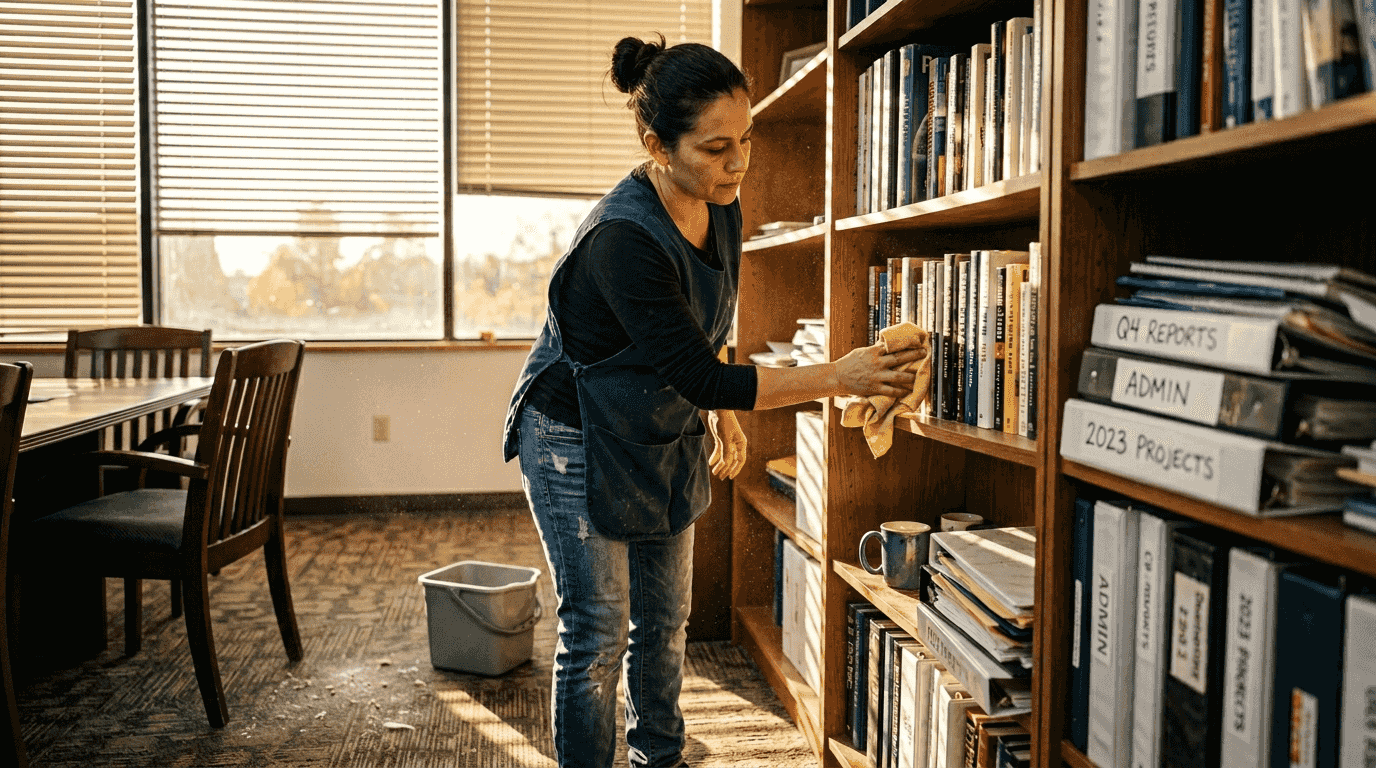
Daily cleaning focuses on high touch surfaces and high traffic areas. Restrooms require multiple cleanings throughout the day in busy facilities, with thorough sanitization of toilets, sinks, and door handles. Reception areas, break rooms, and conference rooms need attention before business hours begin. Trash removal should occur at least once daily, more frequently in areas that generate significant waste.
Weekly tasks include deeper cleaning of floors, dusting of all horizontal surfaces, and detailed attention to areas that do not require daily service. This might include wiping down baseboards, cleaning interior windows, and sanitizing less frequently used spaces. Monthly deep cleaning targets areas like ceiling vents, light fixtures, and behind furniture that accumulates dust over time.
Task prioritization ensures you get maximum value from limited cleaning time and budget. Start with activities that most directly impact health and safety, then address appearance and maintenance concerns. This approach guarantees that even if time runs short, the most critical tasks are complete.
The decision between in house cleaning and outsourcing depends on multiple factors specific to your situation:
| Factor | In House Cleaning | Outsourcing to Professionals |
|---|---|---|
| Cost control | Lower direct costs but hidden expenses for supplies, equipment, training, and management | Predictable monthly costs with no equipment investment or HR burden |
| Flexibility | Easy to adjust schedules and priorities on short notice | May require advance notice for schedule changes but offers backup coverage |
| Expertise | Requires you to develop cleaning knowledge and train staff | Access to trained professionals with specialized skills and industry knowledge |
| Liability | You assume all responsibility for worker safety, chemical handling, and compliance | Provider carries insurance and assumes liability for their staff and operations |
| Quality consistency | Depends on your management capacity and staff reliability | Professional systems and supervision ensure consistent standards |
Outsourcing to trained commercial cleaning providers mitigates risks while delivering expertise that most small businesses cannot develop internally. Professional services bring industrial grade equipment, bulk purchasing power for supplies, and management systems refined through serving hundreds of clients. They also provide coverage when individual cleaners are sick or on vacation, ensuring your facility never goes unserviced.
Product selection significantly impacts both cleaning effectiveness and occupant safety. Harsh chemicals may deliver quick results but create respiratory irritation, skin problems, and environmental concerns. Modern eco friendly alternatives offer comparable cleaning power while protecting your team’s health and reducing your environmental footprint.
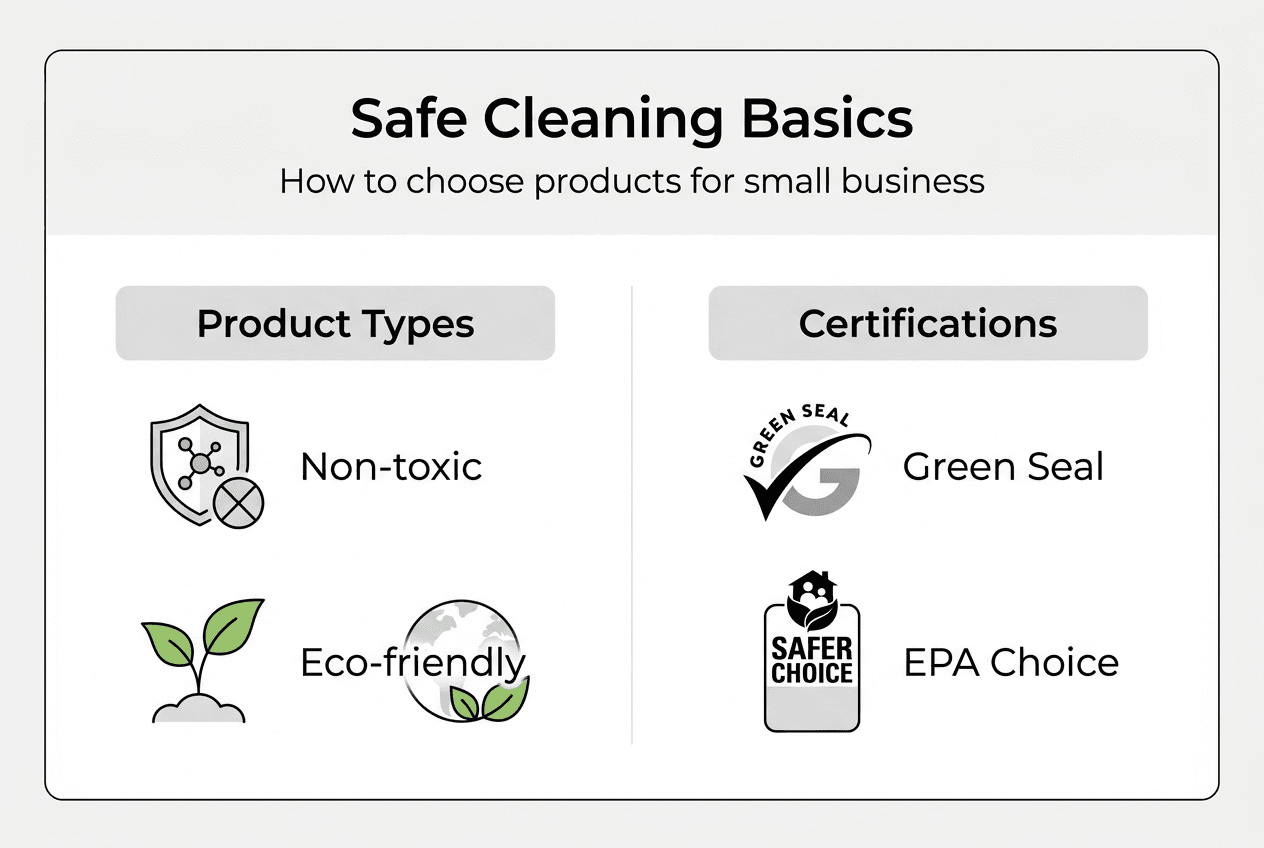
Pro Tip: When evaluating cleaning products, look for third party certifications like Green Seal or EPA Safer Choice. These verify that products meet rigorous standards for effectiveness and safety, taking the guesswork out of green cleaning.
Exploring cleaning tips from professional cleaners provides additional insights into techniques and products that deliver superior results. Understanding natural commercial cleaning products helps you make informed choices that balance effectiveness, safety, and environmental responsibility. These resources empower you to implement professional grade practices regardless of whether you manage cleaning internally or partner with a service provider.
Explore professional cleaning services tailored for Massachusetts businesses
Navigating the complexities of commercial cleaning while running your core business creates competing demands on your time and attention. Professional cleaning services eliminate this burden by bringing expertise, systems, and trained staff to maintain your facility at consistently high standards. You gain access to commercial grade equipment, eco friendly products, and proven protocols without the investment and learning curve required to develop these capabilities internally.
Massachusetts small businesses benefit from working with local providers who understand regional challenges like winter salt tracking, seasonal allergens, and state specific compliance requirements. These partnerships free you to focus on growing your business while ensuring your facility always presents professionally. Trained cleaners follow detailed checklists, use proper techniques for different surfaces, and maintain documentation that supports your compliance efforts. The right provider becomes a true partner in your success, adapting services as your needs evolve and responding quickly when special situations arise.
Explore cleaning services for small businesses to discover how professional support can transform your facility maintenance. Review essential cleaning best practices to understand what quality service looks like. Consider providers who prioritize natural commercial cleaning products to protect your team’s health while maintaining a spotless environment.
Frequently asked questions
What are the key components of an effective commercial cleaning schedule?
An effective schedule specifies cleaning frequency for each area and task, assigns clear responsibilities, and includes accountability measures like checklists and inspections. It prioritizes daily cleaning of high touch surfaces like door handles, shared equipment, and restroom fixtures while scheduling weekly deep cleans and monthly maintenance tasks. The schedule should adapt to your facility’s specific traffic patterns and usage, with more frequent service in high traffic areas and during peak business seasons.
How can small businesses in Massachusetts ensure cleaning compliance with OSHA?
Maintain detailed cleaning logs that document tasks completed, products used, and any incidents or corrective actions taken. Train all cleaning staff on proper chemical handling, Safety Data Sheet access, and personal protective equipment requirements. Conduct regular facility inspections focusing on slip hazards, proper chemical storage, and equipment maintenance, addressing any issues immediately and documenting your response.
What are the benefits of outsourcing commercial cleaning for small businesses?
Outsourcing provides immediate access to trained, insured professionals who bring specialized expertise and commercial grade equipment. Professional services ensure consistent quality through established systems, regular supervision, and backup coverage when individual cleaners are unavailable. You eliminate the HR burden of recruiting, training, and managing cleaning staff while gaining predictable monthly costs and reduced liability for worker safety and compliance issues.
How often should high touch surfaces be cleaned in commercial spaces?
High touch surfaces require cleaning multiple times daily in busy facilities, with a minimum of once per day in lower traffic environments. Door handles, light switches, elevator buttons, shared equipment, and restroom fixtures should receive sanitizing attention during morning setup, midday maintenance, and evening cleaning. During cold and flu season or disease outbreaks, increase frequency to every few hours in heavily used areas.
What cleaning products are safest for commercial use in Massachusetts?
Look for products certified by Green Seal, EPA Safer Choice, or similar third party organizations that verify effectiveness and safety. These eco friendly alternatives clean effectively while minimizing respiratory irritation, skin problems, and environmental impact. Avoid products with harsh chemicals like bleach, ammonia, or volatile organic compounds when safer alternatives exist, and always ensure proper ventilation when using any commercial cleaning product.
Recommended
- 6 Key Tips for Small Business Cleaning Needs Success | E.C. House Cleaning
- Cleaning Services for Small Businesses: Boosting Workplace Value | E.C. House Cleaning
- 6 Office Cleaning Essentials Every Manager Needs to Know | E.C. House Cleaning
- 7 Essential Cleaning Best Practices 2025 for Busy Clients | E.C. House Cleaning