Most homeowners believe their indoor air is cleaner than the air outside, but this assumption can be dangerously wrong. Indoor air can be more polluted than outdoor air, posing serious health risks, especially for those with asthma or lung diseases. The culprit? Many conventional cleaning products release harmful chemicals that accumulate in enclosed spaces, creating invisible health hazards right where you live. Switching to eco-friendly cleaning products offers a proven solution that protects your family’s health while supporting environmental sustainability. This guide reveals how green cleaning transforms Massachusetts homes into safer, healthier spaces in 2026.
Table of Contents
- Understanding Indoor Air Pollution From Conventional Cleaning Products
- How Eco-Friendly Cleaning Products Improve Indoor Air Quality And Health
- Environmental And Practical Advantages Of Eco-Friendly Cleaning In Massachusetts Homes
- Practical Tips To Select And Use Eco-Friendly Cleaning Products Effectively
- Discover Expert Eco-Friendly Cleaning Services In Massachusetts
- Frequently Asked Questions
Key takeaways
| Point | Details |
|---|---|
| Healthier indoor air | Eco-friendly products reduce harmful VOCs by up to 60%, protecting respiratory health and reducing asthma triggers. |
| Environmental sustainability | Green cleaners minimize water pollution, energy use, and packaging waste while supporting biodegradable formulations. |
| Property value boost | LEED-certified buildings using eco-products attract environmentally conscious tenants and command higher market appeal. |
| Smart economics | Initial costs are offset by long-term health savings, reduced environmental damage, and improved tenant satisfaction. |
| Verified safety | EPA Safer Choice and Green Seal certifications guarantee products meet rigorous safety and performance standards. |
Understanding indoor air pollution from conventional cleaning products
Conventional cleaning products create a hidden danger lurking in your home. Many regular cleaners release harmful gases called VOCs that degrade indoor air quality with every spray and wipe. These volatile organic compounds evaporate at room temperature, filling your living spaces with invisible pollutants that can persist for hours or even days after cleaning.
The health consequences are alarming. Research reveals that using strong chemical cleaning products can harm lung health comparably to smoking 20 cigarettes a day. Regular exposure to these chemicals damages lung tissue over time, accelerating decline in respiratory function and increasing risks for chronic conditions. For individuals with asthma or other respiratory sensitivities, the impact is even more severe, as chemical irritants trigger attacks and worsen symptoms.
Common VOC-emitting ingredients include:
- Ammonia in glass and surface cleaners
- Chlorine bleach in disinfectants and whitening products
- Formaldehyde in furniture polish and air fresheners
- Phthalates in fragranced products
- Perchloroethylene in spot removers and carpet cleaners
- Triclosan in antibacterial soaps and cleaners
Many homeowners associate the strong chemical smell with effective cleaning, but this misconception puts families at risk. That fresh scent often comes from synthetic fragrances containing dozens of undisclosed chemicals, many of which are respiratory irritants or endocrine disruptors. The smell doesn’t indicate cleanliness but rather confirms you’re breathing in a cocktail of potentially harmful substances.
Indoor air pollution from cleaning products can exceed outdoor air pollution levels by two to five times, even in urban areas with significant traffic and industrial emissions. Your home becomes a concentrated exposure zone where chemicals accumulate in carpets, upholstery, and ventilation systems. This creates continuous low-level exposure that compounds over months and years, particularly affecting children and elderly family members who spend more time indoors.
Understanding these risks is the first step toward protecting your home environment. Cleaning for asthma requires special attention to product selection, and recognizing how conventional cleaners compromise air quality helps you make informed choices. The eco friendly cleaning benefits extend far beyond environmental concerns, directly impacting the health and wellbeing of everyone in your household.
How eco-friendly cleaning products improve indoor air quality and health
Eco-friendly cleaning products fundamentally differ from conventional cleaners in their chemical composition and environmental impact. These green alternatives use plant-based surfactants, natural enzymes, and mineral-derived ingredients that clean effectively without releasing toxic fumes. The chemistry behind eco-products focuses on breaking down dirt and grime through biological processes rather than harsh chemical reactions that generate harmful vapors.
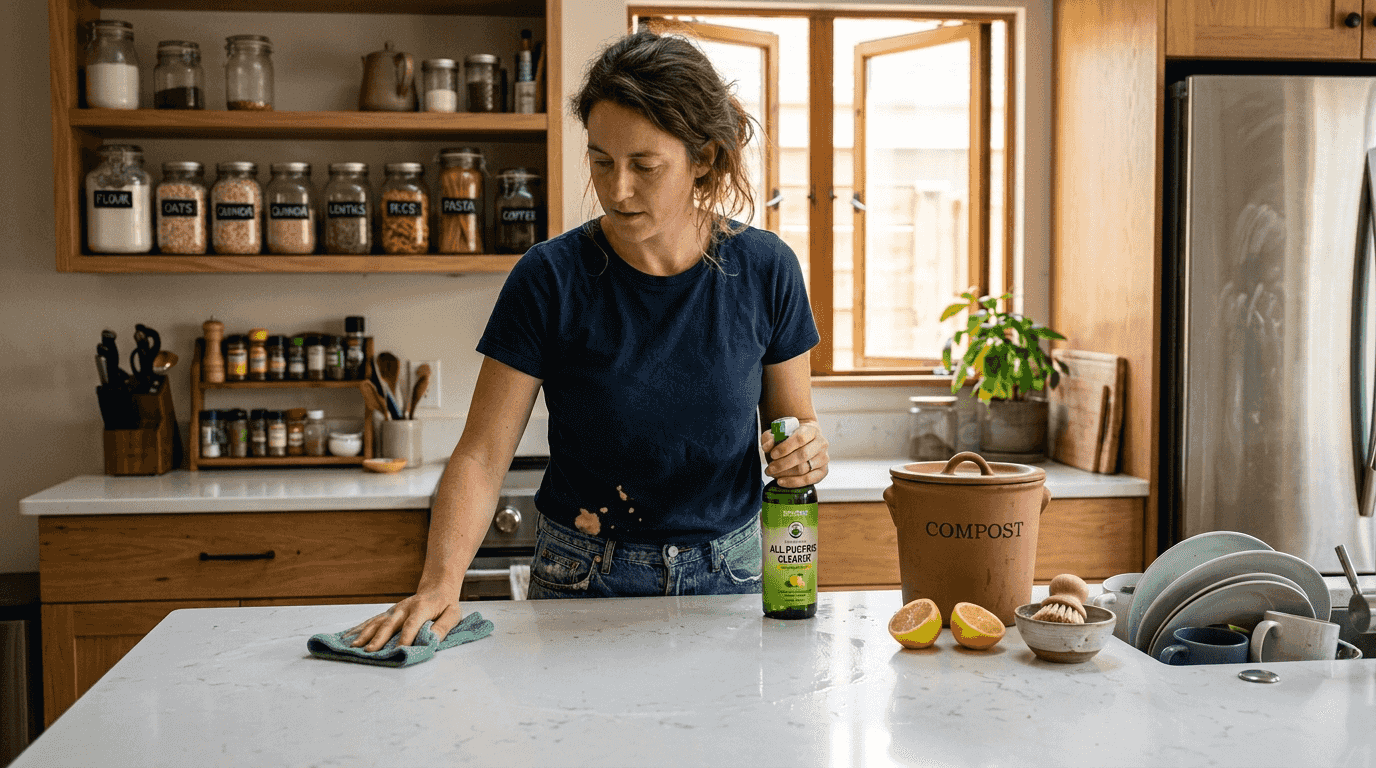
The reduction in VOC emissions represents the most significant health advantage. Eco-friendly products have significantly lower VOC emissions, reducing indoor air pollution by up to 60%. This dramatic decrease means your family breathes cleaner air during and after cleaning sessions, with fewer respiratory irritants circulating through your home. The immediate benefits include reduced eye and throat irritation, fewer headaches, and diminished asthma triggers.
Eco cleaners use plant-based surfactants, enzymes, and biodegradable ingredients resulting in lower toxicity and faster breakdown. These formulations harness the cleaning power of ingredients like coconut oil derivatives, citrus extracts, and bacterial enzymes that naturally digest organic matter. When these products wash down your drains, they decompose rapidly without contaminating water supplies or harming aquatic ecosystems.
Pro Tip: When reading labels, look beyond marketing claims like “natural” or “green” which aren’t regulated terms. Focus on specific ingredient lists and avoid products containing synthetic fragrances, dyes, or preservatives like methylisothiazolinone. Even some products marketed as eco-friendly can contain hidden VOCs or allergens.
Certification marks provide reliable verification of product safety and environmental standards:
- EPA Safer Choice indicates rigorous ingredient screening for human and environmental safety
- Green Seal certifies products meet science-based sustainability standards
- EcoLogo verifies reduced environmental impact throughout product lifecycle
- Leaping Bunny confirms no animal testing in product development
- USDA Certified Biobased identifies products made from renewable biological resources
The health improvements extend beyond respiratory benefits. Eco-friendly products reduce skin irritation and allergic reactions common with conventional cleaners. Families with young children benefit especially, as crawling babies and toddlers have direct contact with recently cleaned floors and surfaces. Eliminating toxic residues from these high-contact areas creates safer environments for exploration and play.
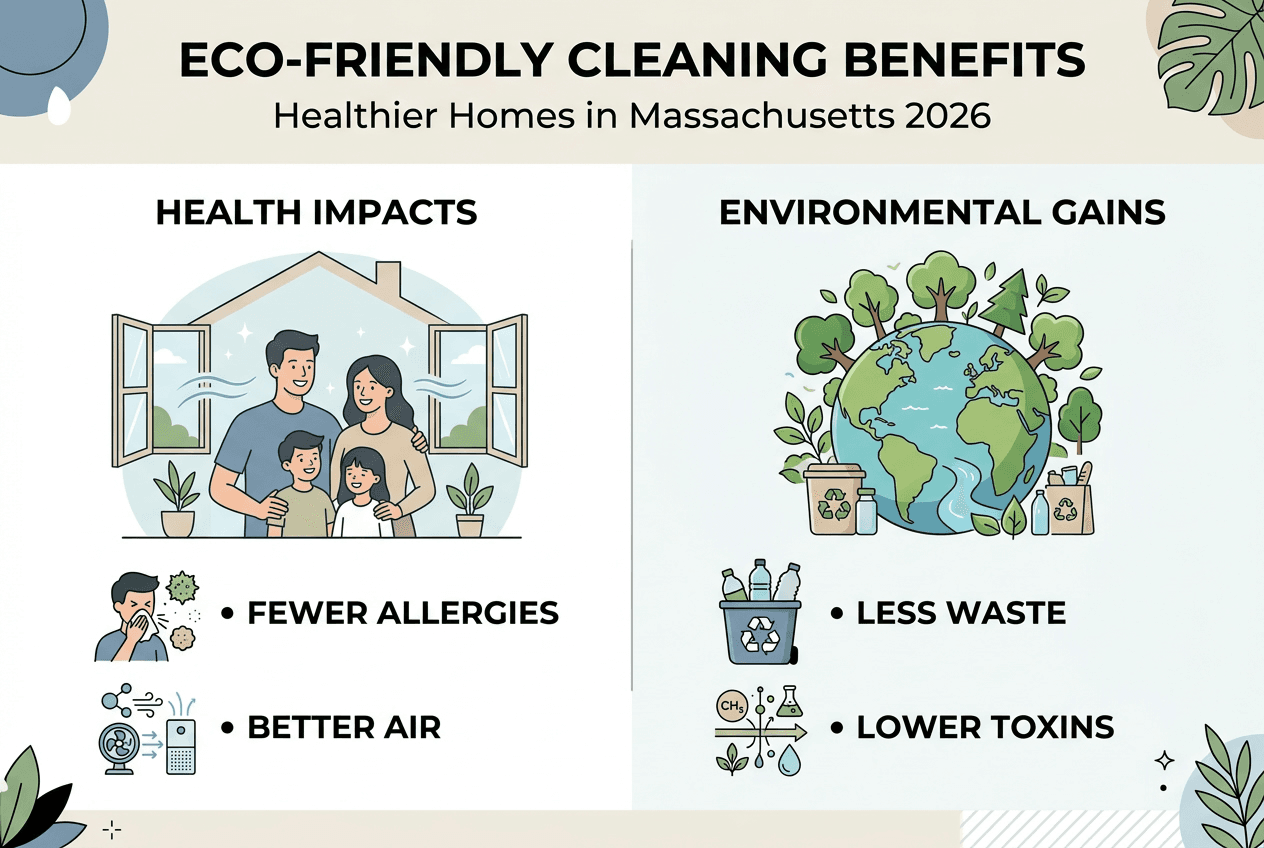
Transitioning to green cleaning products also supports long-term health outcomes. By reducing cumulative chemical exposure over years and decades, you lower risks for chronic conditions linked to persistent pollutant exposure. The eco-friendly cleaning benefits compound over time, creating healthier living environments that support wellbeing across all life stages. Choosing best sustainable cleaning options becomes an investment in your family’s future health.
Environmental and practical advantages of eco-friendly cleaning in Massachusetts homes
Beyond personal health benefits, eco-friendly cleaning products deliver substantial environmental advantages that align with Massachusetts’ strong sustainability initiatives. Eco-friendly cleaning products reduce water and energy use in manufacturing and packaging, lessening environmental impact. Green manufacturers prioritize renewable energy sources, minimal water consumption, and recycled packaging materials, creating products with significantly smaller carbon footprints from production through disposal.
| Factor | Eco-Friendly Products | Conventional Products |
|---|---|---|
| VOC emissions | Minimal to none | High levels |
| Biodegradability | 90%+ within weeks | Often non-biodegradable |
| Packaging | Recycled, concentrated formulas | Single-use plastic, excess packaging |
| Water pollution | Minimal aquatic toxicity | Phosphates, chlorine contaminate waterways |
| Manufacturing energy | Renewable sources prioritized | High fossil fuel dependence |
Property managers and homeowners pursuing green building certifications gain measurable advantages from eco-friendly cleaning practices. Use of eco-friendly products can earn LEED certification points under Indoor Environmental Quality. These points contribute to higher certification levels, which translate to increased property values, lower operating costs, and enhanced marketability. LEED-certified buildings in Massachusetts command rental premiums and attract quality tenants who prioritize environmental responsibility.
The practical benefits for property managers extend to tenant relations and retention. Property managers offering eco-friendly cleaning attract environmentally conscious tenants and improve satisfaction. Today’s renters, especially millennials and Gen Z demographics, actively seek housing that aligns with their environmental values. Providing green cleaning services differentiates your properties in competitive markets and reduces turnover costs associated with tenant dissatisfaction.
Pro Tip: Look for concentrated formulas that reduce packaging waste and shipping emissions. Many eco-friendly brands offer refill stations or concentrated tablets you mix with water at home, cutting plastic waste by up to 90% compared to ready-to-use conventional products. This approach saves money while dramatically reducing your environmental footprint.
Massachusetts homeowners benefit from state programs supporting sustainable practices:
- MassSave rebates for energy-efficient appliances that pair well with eco-cleaning
- Municipal composting programs for disposing of plant-based cleaning product containers
- Green Communities Act incentives for residential sustainability improvements
- Local recycling programs accepting eco-product packaging
The economic case for eco-friendly cleaning strengthens when considering avoided costs. Reduced health issues mean fewer medical expenses and sick days. Lower environmental damage translates to decreased water treatment costs and ecosystem preservation. While individual product prices may run 10 to 30% higher than conventional alternatives, the total cost of ownership favors green products when accounting for health, environmental, and social benefits.
Massachusetts residential cleaning services increasingly incorporate eco-friendly products as standard practice, recognizing client demand for healthier homes. Professional cleaning for small businesses also adopts green methods to meet employee wellness expectations and corporate sustainability goals.
Practical tips to select and use eco-friendly cleaning products effectively
Navigating the eco-friendly cleaning market requires informed decision-making to avoid greenwashing and identify truly sustainable products. Homeowners should look for certifications like EPA Safer Choice to ensure product safety and effectiveness. These third-party verified certifications provide assurance that products meet stringent criteria for human health protection and environmental safety, cutting through marketing hype to identify genuine green alternatives.
Follow this step-by-step selection process:
- Check for EPA Safer Choice, Green Seal, or EcoLogo certification labels on product packaging
- Read ingredient lists carefully, avoiding products with undisclosed “fragrance” or “parfum” components
- Research unfamiliar ingredients using Environmental Working Group’s database to verify safety ratings
- Compare concentrated versus ready-to-use formulas, calculating cost per use rather than bottle price
- Verify biodegradability claims and packaging recyclability in your local waste management system
- Start with multi-purpose cleaners to simplify your transition and reduce product proliferation
Label literacy prevents common pitfalls when selecting green products. Even natural products can contain allergens or VOCs; fragrance-free and low-VOC options are preferable for sensitive individuals. Terms like “natural” and “non-toxic” lack regulatory definitions, allowing manufacturers to use them freely without verification. Focus instead on specific ingredient disclosures and certified claims backed by independent testing.
Recommended eco-friendly product types for common cleaning tasks:
- All-purpose cleaners with plant-based surfactants for counters, appliances, and general surfaces
- Vinegar-based glass cleaners for streak-free windows and mirrors
- Enzyme cleaners for organic stains, pet accidents, and odor elimination
- Oxygen bleach alternatives for whitening and disinfecting without chlorine
- Castile soap solutions for floors, walls, and bathroom fixtures
- Baking soda pastes for gentle abrasive cleaning on sinks and tubs
Avoid these common mistakes when transitioning to green cleaning:
- Assuming all “natural” products are safe without checking ingredients or certifications
- Mixing different eco-products together, which can reduce effectiveness or create reactions
- Using excessive amounts, thinking more product equals better cleaning results
- Neglecting to test new products in inconspicuous areas before widespread use
- Disposing of eco-product containers in regular trash when recycling options exist
- Expecting identical performance to conventional products without adjusting techniques
Pro Tip: Start your transition gradually by replacing conventional products as they run out rather than discarding full bottles. Begin with low-risk areas like glass cleaning or dusting, building confidence before tackling tougher jobs like bathroom disinfection. Monitor your indoor air quality improvements using simple indicators like reduced cleaning-related headaches or respiratory irritation.
Effective use of eco-friendly products sometimes requires technique adjustments. Many green cleaners work more slowly than harsh chemical alternatives, needing longer dwell times to break down dirt and grime. Allow products to sit on surfaces for recommended contact times rather than immediately wiping away. This patience yields excellent results while maintaining safety and sustainability.
Implementing eco-friendly cleaning methods throughout your home creates comprehensive health benefits. Pairing green products with proper ventilation, microfiber cleaning tools, and regular maintenance schedules maximizes effectiveness. Cost-effective green solutions often involve simple ingredients like vinegar, baking soda, and lemon that deliver powerful cleaning at minimal expense.
Discover expert eco-friendly cleaning services in Massachusetts
Implementing comprehensive eco-friendly cleaning throughout your Massachusetts home requires knowledge, time, and commitment. Professional cleaning services specializing in green methods bring expertise and certified products directly to your doorstep, ensuring your home benefits from the healthiest cleaning practices available. Our Massachusetts residential cleaning services use only EPA Safer Choice certified products, protecting your family’s health while delivering spotless results.
With over 20 years of experience serving Massachusetts homeowners and property managers, we understand the unique challenges of maintaining healthy indoor environments in New England’s climate. Our trained teams apply eco-friendly cleaning methods that eliminate allergens, reduce VOC exposure, and create truly clean living spaces. Discover what does a residential cleaner do when equipped with green products and professional expertise, transforming your home into a healthier sanctuary.
Frequently asked questions
Why should I switch to eco-friendly cleaning products in my home?
Switching to eco-friendly products dramatically reduces your family’s exposure to harmful VOCs and respiratory irritants found in conventional cleaners. These green alternatives protect indoor air quality, lower asthma and allergy triggers, and eliminate toxic residues on surfaces your children and pets contact daily. The environmental benefits include reduced water pollution, decreased packaging waste, and support for sustainable manufacturing practices. Many homeowners worry about cleaning effectiveness, but certified eco-friendly products meet the same hygiene standards as conventional cleaners while protecting health and environment simultaneously. The eco-friendly cleaning benefits extend across immediate health improvements and long-term sustainability.
Are eco-friendly cleaning products effective against germs and bacteria?
Yes, certified eco-friendly cleaning products effectively eliminate germs and bacteria when used according to manufacturer instructions. Studies show green cleaning meets or exceeds microbial safety standards and is effective at disinfecting. Plant-based disinfectants, hydrogen peroxide formulations, and enzyme cleaners destroy pathogens through biological mechanisms rather than harsh chemicals. The key is selecting products with EPA registration for disinfection claims and following proper contact times. Eco-friendly products maintain hygiene without compromising your family’s respiratory health or contributing to antimicrobial resistance.
What certifications should I look for when buying eco-friendly cleaning products?
Look for EPA Safer Choice, Green Seal, or similar certifications to verify eco-friendly product claims. These independent certifications require rigorous testing of ingredients, manufacturing processes, and environmental impact before approval. EPA Safer Choice ensures every ingredient meets strict safety criteria for human health and aquatic ecosystems. Green Seal certifies products achieve measurable reductions in VOCs, toxicity, and packaging waste. EcoLogo and USDA Certified Biobased labels also indicate verified environmental benefits. Avoid products relying solely on unregulated marketing terms like natural or green without third-party certification backing these claims.
Can switching to eco-friendly products save money in the long run?
While eco-friendly products often cost more upfront, eco-friendly cleaning can lead to savings via reduced health issues and less environmental damage over time. Fewer respiratory problems mean lower medical expenses and reduced sick days for your family. Concentrated formulas deliver more cleaning power per bottle, reducing purchase frequency. Property managers see financial benefits through improved tenant retention, higher rental rates for green-certified buildings, and potential LEED certification points that increase property values. The total cost of ownership favors eco-friendly products when accounting for health savings, environmental preservation, and enhanced quality of life.
Recommended
- Eco Friendly Pet Cleaning Products: Safer Homes, Healthier Pets | E.C. House Cleaning
- Essential Cleaning Supplies Checklist for Massachusetts in 2025 | E.C. House Cleaning
- What Is Green Cleaning? A Simple Guide for Massachusetts
- Eco-Friendly Cleaning Methods – Why Healthier Homes Matter | E.C. House Cleaning