Most homeowners assume that wiping counters and vacuuming floors keeps their spaces truly clean. However, standard cleaning often misses 70% of bacterial hotspots present in hidden areas like vents, upholstery, and HVAC systems. Detailed cleaning addresses these overlooked zones, delivering comprehensive hygiene that protects your family’s health and extends the life of your property. This guide explains what detailed cleaning involves, why it matters, and how Massachusetts residents can benefit from professional services.
Table of Contents
- Understanding Detailed Cleaning: More Than Just Surface Dirt
- Health And Hygiene Benefits Of Detailed Cleaning
- Protecting Your Property: Longevity And Maintenance Advantages
- Sustainability In Detailed Cleaning: Eco-Friendly Practices And Their Impact
- Common Misconceptions About Cleaning: What Most People Get Wrong
- Comparing Cleaning Levels: Standard, Deep, And Detailed Cleaning Framework
- Choosing The Right Detailed Cleaning Service In Massachusetts
- Enhance Your Home And Workplace Hygiene With Expert Cleaning Services
Key takeaways
| Point | Details |
|---|---|
| Contaminant removal | Detailed cleaning removes up to 70% more contaminants than standard cleaning by targeting hidden areas. |
| Air quality boost | It improves indoor air quality and reduces allergens, benefiting respiratory health. |
| Property protection | Regular detailed cleaning extends surface lifespan and prevents costly repairs. |
| Eco-friendly approach | Organic products reduce indoor pollution while maintaining cleaning effectiveness. |
| Professional advantage | Certified professionals use specialized techniques for safe, thorough results. |
Understanding detailed cleaning: more than just surface dirt
Detailed cleaning represents the most comprehensive level of professional cleaning available. It goes beyond wiping visible surfaces to address contaminants lurking in areas that standard routines overlook.
The difference between cleaning levels matters. Standard cleaning maintains day-to-day tidiness through tasks like dusting, vacuuming, and mopping. Deep cleaning tackles accumulated grime in kitchens and bathrooms every few months. Detailed cleaning includes HVAC, upholstery, and vent cleaning that standard methods miss entirely.
This comprehensive approach covers hard-to-reach spaces where bacteria, allergens, and mold thrive. Air ducts collect dust and pet dander. Upholstered furniture harbors pathogens in its fibers. Baseboards and ceiling corners accumulate contaminants that circulate through your home.
Professional detailed cleaning targets these zones using specialized equipment and techniques. The scope includes:
- HVAC system cleaning to remove trapped allergens
- Upholstery deep cleaning for furniture and drapes
- Vent and duct sanitization
- Baseboard and trim detailing
- Light fixture and ceiling fan cleaning
- Window track and sill treatment
- Behind appliance cleaning
Research shows detailed cleaning reaches 70% more bacterial hotspots than standard routines. This thoroughness makes a measurable difference in indoor hygiene. Understanding what regular clean vs deep clean services offer helps you choose the right level for your needs. Learning about standard house cleaning tasks provides context for what basic services miss.
Health and hygiene benefits of detailed cleaning
Your home’s hidden surfaces harbor more than dust. Pathogens trapped in fabric fibers and ductwork compromise indoor air quality daily.
Detailed cleaning directly impacts respiratory health by removing these invisible threats. Homes with regular detailed cleaning report 30% fewer allergy symptoms compared to those relying on standard maintenance alone. The difference comes from eliminating allergen sources rather than just redistributing them.
Airborne contaminants decrease when professionals clean HVAC systems and upholstery thoroughly. Dust mites, pet dander, and mold spores settle into porous materials over time. Regular vacuuming can’t extract these deeply embedded particles. Specialized extraction methods pull contaminants from fiber depths where they accumulate.
Respiratory benefits extend beyond allergy relief. Cleaner air means fewer triggers for asthma attacks and respiratory infections. This matters especially for children, elderly residents, and anyone with compromised immune systems.
The recommended interval is every 4 to 6 months for most properties. High-traffic commercial spaces or homes with pets may benefit from quarterly detailed cleaning. Seasonal allergies often improve when detailed cleaning precedes spring and fall.
Pro Tip: Combine detailed cleaning every six months with daily surface maintenance to maximize indoor air quality improvements and extend time between deep interventions.
Key health advantages include:
- Reduced allergen levels in air and on surfaces
- Lower respiratory irritation and infection risk
- Improved sleep quality from cleaner bedrooms
- Decreased asthma trigger exposure
- Better outcomes for immune-compromised occupants
“The difference in air quality after detailed cleaning is noticeable within hours. Clients consistently report breathing easier and sleeping better.”
Protecting your property: longevity and maintenance advantages
Cleaning isn’t just about appearance. It’s preventive maintenance that protects your investment.
Grime and contaminants actively damage surfaces over time. Carpet fibers break down faster when embedded particles create abrasion with every footstep. Upholstery fabrics weaken as oils and dirt work into the weave. Wood surfaces lose their finish when dust acts as sandpaper during regular use.
Detailed cleaning removes these damaging particles before they cause permanent wear. Professional extraction methods lift contaminants that household vacuums can’t reach. This preservation extends material lifespan significantly.
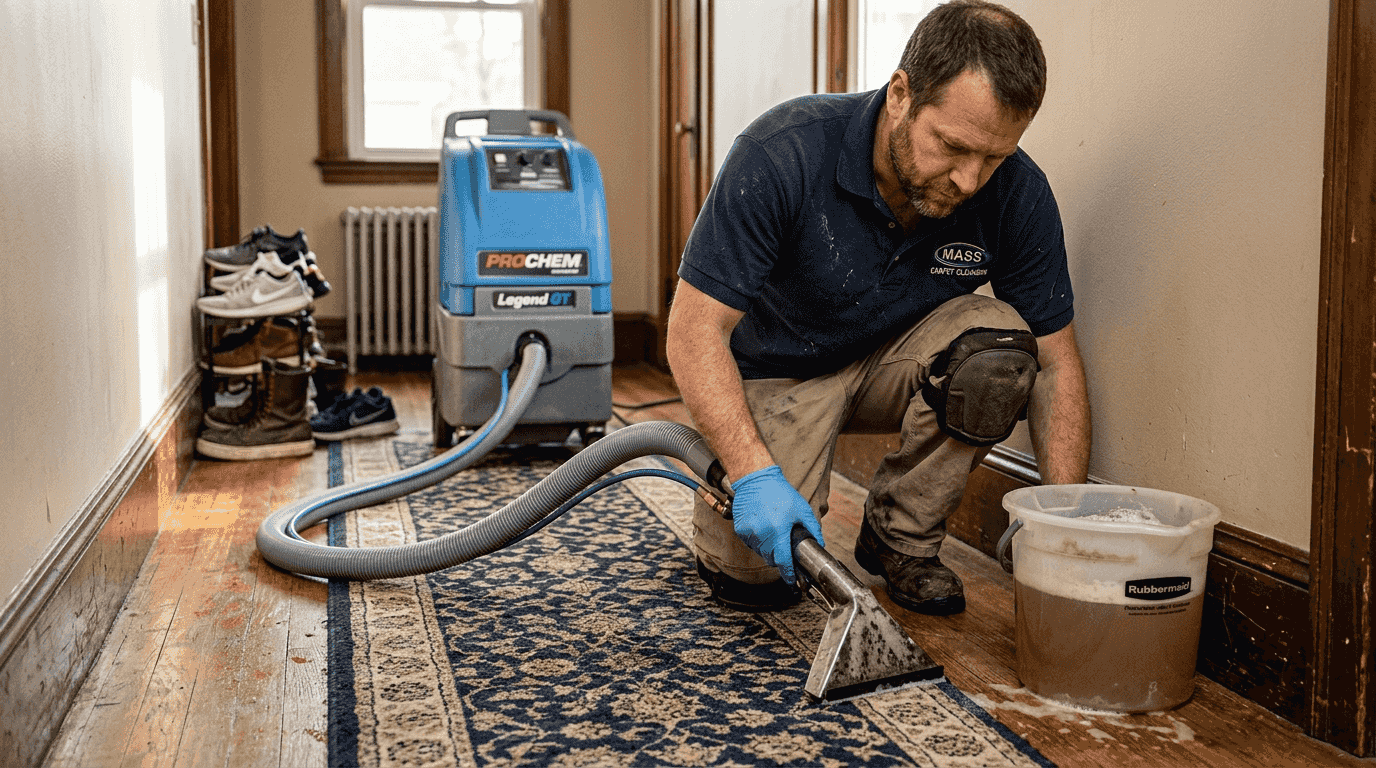
Carpets maintained with detailed cleaning last 3 to 5 years longer than those cleaned only when visibly soiled. Upholstered furniture retains its appearance and structural integrity when professionals remove deep-set contaminants regularly. Even hard surfaces benefit as detailed cleaning prevents the micro-scratching that dulls finishes.
The financial logic is straightforward. Replacing carpeting costs thousands of dollars. Reupholstering furniture runs hundreds per piece. Refinishing wood floors requires professional labor and materials. Preventing this wear through maintenance costs a fraction of replacement expenses.
Property managers see clear ROI from detailed cleaning schedules. Tenant satisfaction improves in well-maintained spaces. Turnover costs decrease when properties show better. Unit appeal increases when surfaces look newer longer.
Pro Tip: Schedule detailed cleaning based on property use intensity rather than calendar dates alone. High-traffic areas benefit from more frequent attention while low-use spaces can extend intervals safely.
Maintenance benefits include:
- Extended carpet life by 40 to 60%
- Preserved upholstery appearance and integrity
- Protected wood and hard surface finishes
- Reduced replacement and repair costs
- Maintained property value and appeal
Sustainability in detailed cleaning: eco-friendly practices and their impact
Effective cleaning doesn’t require harsh chemicals. Modern eco-friendly products deliver thorough results while protecting occupant health and the environment.
Green-certified cleaning products reduce indoor volatile organic compounds (VOCs) that traditional cleaners release. These airborne chemicals contribute to headaches, respiratory irritation, and long-term health concerns. Organic alternatives use plant-based ingredients that clean effectively without off-gassing harmful substances.
Professional detailed cleaning services increasingly adopt sustainable practices. Biodegradable ingredients break down naturally rather than persisting in water systems. Concentrated formulas reduce packaging waste and transportation emissions. Water-efficient equipment minimizes consumption during extraction processes.
The indoor air quality benefit extends beyond initial cleaning. Conventional cleaners leave chemical residues that continue releasing VOCs for days. Eco-friendly alternatives eliminate this ongoing exposure, creating healthier environments immediately.
Sustainability considerations matter for both residential and commercial properties. Massachusetts residents increasingly prioritize environmental responsibility in service choices. Green cleaning aligns with broader ecological goals while delivering the thorough results detailed cleaning requires.
Selecting providers with recognized green certifications ensures adherence to sustainable standards. These credentials verify that products meet environmental and health safety criteria independently tested and confirmed.
Sustainable cleaning features:
- Organic and plant-based cleaning agents
- Biodegradable formulations
- Reduced water consumption methods
- Lower carbon footprint operations
- Third-party green certifications
Exploring eco friendly office cleaning options shows how commercial spaces implement sustainable practices. Understanding eco friendly cleaning products helps you evaluate provider choices based on environmental values.
Common misconceptions about cleaning: what most people get wrong
Several persistent myths prevent property owners from recognizing when they need detailed cleaning.
Myth: Surface cleaning removes all harmful contaminants. Reality: Visible cleanliness doesn’t equal true hygiene. Pathogens and allergens concentrate in hidden areas that surface wiping never touches. Ductwork, upholstery depths, and enclosed spaces harbor bacteria regardless of how clean counters appear.
Myth: DIY cleaning matches professional detailed cleaning effectiveness. Reality: Household equipment lacks the power and precision for comprehensive pathogen removal. Consumer-grade vacuums can’t extract deeply embedded particles. Standard mops redistribute rather than eliminate contaminants. Professional tools use heat, pressure, and extraction methods unavailable to homeowners.
Myth: Detailed cleaning is only necessary when problems become visible. Reality: By the time mold appears or odors develop, contamination is already severe. Preventive detailed cleaning stops problems before they manifest. Waiting for visible signs means accepting months or years of compromised air quality.
Myth: Cleaning frequency doesn’t significantly impact health outcomes. Reality: Regular intervals maintain baseline cleanliness that protects respiratory health. Sporadic deep cleaning allows contaminant buildup between services. Consistent schedules prevent accumulation cycles that compromise indoor environments.
Underestimating scope and frequency creates health risks and property damage. Detailed cleaning isn’t optional luxury. It’s essential maintenance for truly clean and safe environments.
“Many clients are surprised when they see what professionals extract from furniture and carpets that appear clean. The hidden contamination is often extensive.”
Clarity on these points helps property owners make informed decisions:
- Surface appearance doesn’t reflect true cleanliness
- Professional equipment and expertise matter significantly
- Preventive maintenance beats reactive problem-solving
- Health impacts accumulate from inadequate cleaning
- Investment in detailed cleaning prevents larger expenses
Comparing cleaning levels: standard, deep, and detailed cleaning framework
Choosing the right cleaning level requires understanding what each service includes and when each applies best.
Standard cleaning maintains day-to-day tidiness through regular tasks. It focuses on visible surfaces like counters, sinks, and floors. Frequency is typically weekly or biweekly. Cost per session is lowest among service levels. However, it misses hidden contaminants entirely.
Deep cleaning addresses accumulated grime in specific areas. Kitchens and bathrooms receive intensive attention every few months. It takes more time and costs more per session than standard cleaning. Deep cleaning improves upon standard routines but still doesn’t reach HVAC systems or upholstery depths.
Detailed cleaning represents the most comprehensive approach. It targets the 70% of bacterial hotspots that other methods miss. Professional tools and techniques address every surface and hidden area. While it costs more and requires the most time, detailed cleaning delivers unmatched hygiene results.
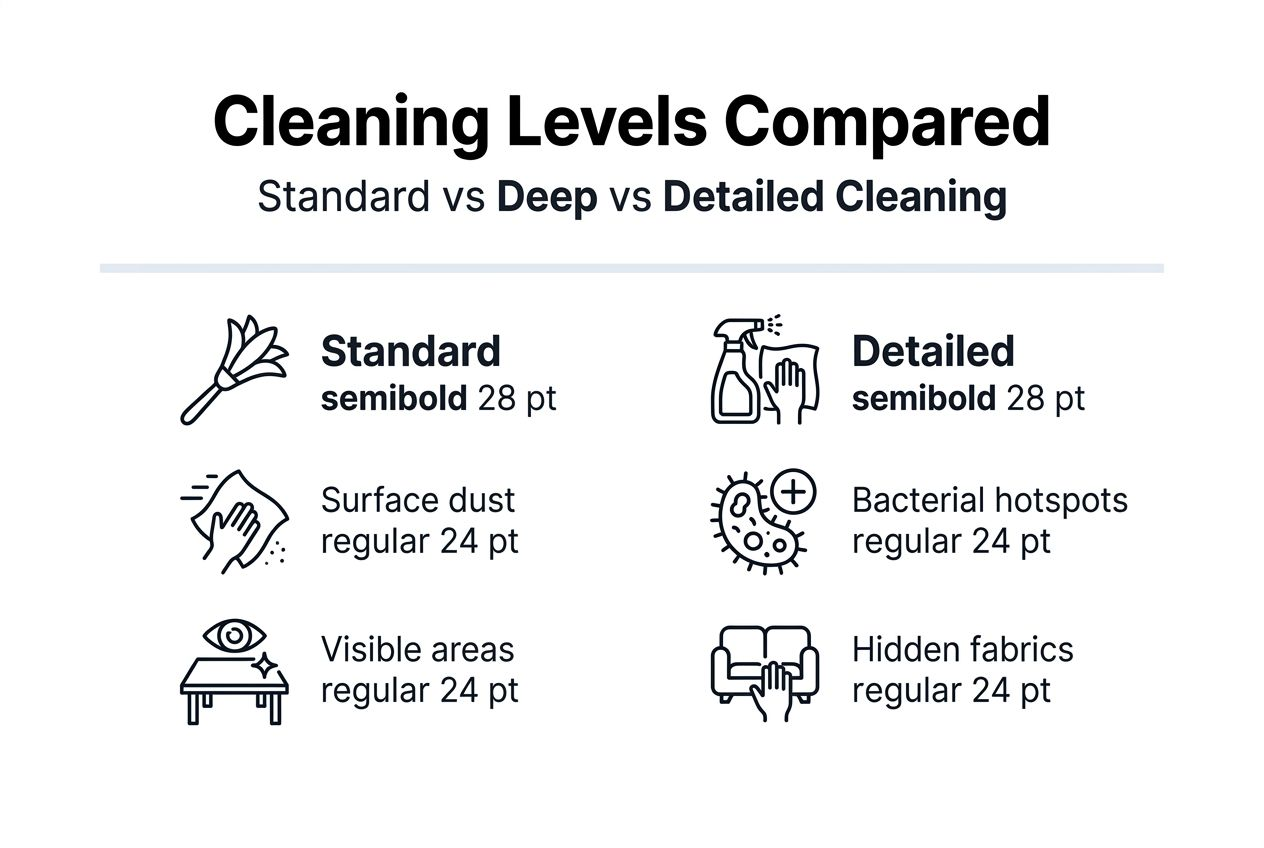
| Feature | Standard Cleaning | Deep Cleaning | Detailed Cleaning |
|---|---|---|---|
| Coverage | Visible surfaces only | Kitchens, bathrooms, floors | All surfaces plus HVAC, vents, upholstery |
| Frequency | Weekly/biweekly | Every 3-6 months | Every 4-6 months |
| Health Impact | Maintains appearance | Reduces surface grime | Eliminates 70% more pathogens |
| Cost Level | Lowest | Moderate | Highest |
| Target Areas | Counters, floors, dusting | Grout, appliances, baseboards | Ducts, furniture depths, all zones |
| Equipment | Basic tools | Enhanced cleaning gear | Professional extraction systems |
The framework shows clear differences in thoroughness and outcomes. Standard cleaning handles routine maintenance. Deep cleaning tackles periodic intensive work. Detailed cleaning provides comprehensive hygiene protection.
Understanding these distinctions helps match service level to specific needs. Properties with allergy-prone occupants benefit most from detailed cleaning. High-traffic commercial spaces need comprehensive approaches. Residential properties balance detailed cleaning with standard maintenance for optimal results.
Comparing regular clean vs deep clean services clarifies when each applies. Learning deep cleaning consist details helps set appropriate expectations for mid-level services.
Key comparison insights:
- Each level serves distinct purposes and timelines
- Higher investment in detailed cleaning yields measurable health returns
- Combining service levels creates comprehensive maintenance strategies
- Professional detailed cleaning reaches areas DIY methods can’t access
- Cost differences reflect scope, time, and equipment requirements
Choosing the right detailed cleaning service in Massachusetts
Selecting qualified professionals ensures you receive the comprehensive benefits detailed cleaning offers.
Credentials matter significantly. Look for providers with professional cleaning certifications that verify training and expertise. Insurance coverage protects you from liability during service. Years of experience indicate established reputation and refined techniques.
Eco-friendly product usage aligns cleaning practices with sustainability values. Ask potential providers about their green certifications and product choices. Companies committed to environmental responsibility typically highlight these credentials prominently.
Customer reviews reveal service quality and reliability. Check satisfaction ratings across multiple platforms. Pay attention to comments about thoroughness, professionalism, and results. Consistent positive feedback indicates dependable service.
Service range determines whether a provider can address all your detailed cleaning needs. Verify that offerings include upholstery cleaning, HVAC system service, and vent sanitization. Comprehensive providers handle every aspect of detailed cleaning in one engagement.
Scheduling flexibility helps maintain recommended cleaning intervals. Choose services that accommodate your timeline and can commit to regular appointments. Consistency matters for ongoing hygiene maintenance.
Transparency in pricing prevents surprises. Request detailed quotes that break down costs by service component. Understanding what you’re paying for helps evaluate value accurately.
Selection criteria include:
- Professional certifications and insurance coverage
- Green product usage and environmental certifications
- Positive customer reviews and testimonials
- Comprehensive service offerings for all detailed cleaning needs
- Flexible scheduling for regular maintenance intervals
- Clear pricing and service descriptions
Reviewing a house cleaner checklist Massachusetts provider uses helps verify thoroughness. Consulting a deep clean house checklist guide ensures all necessary areas receive attention during service.
Enhance your home and workplace hygiene with expert cleaning services
After understanding what detailed cleaning involves and how to choose providers, the next step is connecting with qualified professionals who deliver these benefits.
E.C. House Cleaning offers certified, eco-friendly detailed cleaning services throughout Massachusetts. With over 20 years of experience, this family-owned company specializes in comprehensive hygiene solutions for both residential and commercial properties.
Services include the full scope of detailed cleaning: upholstery extraction, HVAC system cleaning, vent sanitization, and all hidden-area treatment. The team uses sustainable, green-certified products that protect occupant health while delivering thorough results. Regular professional cleaning schedules support healthier indoor environments and extend property surface lifespan significantly. Their insured status and commitment to high standards ensure reliable, safe service every time. Scheduling a free consultation provides personalized recommendations based on your specific property needs and occupancy patterns.
Explore residential cleaning services Massachusetts options for home hygiene solutions. Review commercial cleaning services Massachusetts for workplace environments. Check the house cleaner checklist Massachusetts to see detailed service components.
Frequently asked questions
How often should detailed cleaning be performed to maintain optimal health?
Most homes and commercial spaces benefit from detailed cleaning every 4 to 6 months. Properties with allergy-prone occupants, pets, or high traffic may need quarterly service. Regular intervals prevent contaminant buildup that compromises air quality between cleanings.
Can I achieve detailed cleaning results with DIY methods?
DIY approaches clean visible surfaces but miss hidden contaminants in vents, ducts, and upholstery depths. Professional equipment uses extraction power and heat that household tools can’t match. Comprehensive pathogen removal requires specialized techniques and commercial-grade gear that only certified professionals provide.
What makes eco-friendly cleaning important for indoor environments?
Eco-friendly products reduce indoor VOC exposure that conventional cleaners release into your breathing space. Plant-based ingredients clean effectively without leaving chemical residues that off-gas for days. This approach promotes healthier air quality while supporting environmental sustainability through biodegradable formulations.
How can property managers benefit from detailed cleaning services?
Detailed cleaning reduces tenant complaints about allergens, odors, and air quality issues that affect satisfaction. It extends high-traffic surface lifespan, lowering repair and replacement costs significantly. Well-maintained properties command better rental rates and attract quality tenants, improving overall property value and occupancy rates.