Most homeowners judge a cleaning job by how things look and smell when the crew leaves. But that instinct only tells part of the story. Real cleaning quality is built on systems, not just effort. The best professional cleaners in Massachusetts use structured processes, trained staff, eco-friendly products, and smart technology to deliver results that last well beyond the first sniff of a clean kitchen. This guide breaks down exactly how reputable cleaning services guarantee consistent, healthy results every single visit.
Table of Contents
- What does cleaning quality really mean?
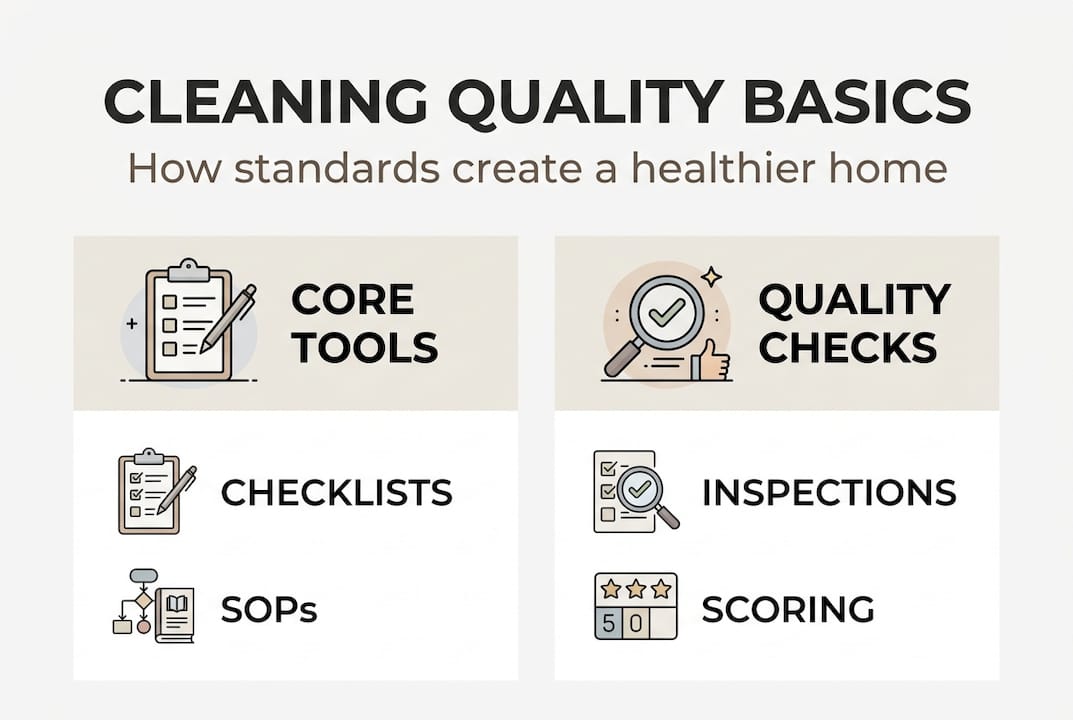
- Checklists and SOPs: The backbone of consistent cleaning
- Continuous inspection: How supervisors verify and raise standards
- Training and trust: Why staff skills and vetting matter
- Eco-friendly practices: Quality without compromise
- How technology raises cleaning quality and accountability
- Special considerations: Customizing quality for Massachusetts homes
- Trust professionals to deliver quality cleaning every time
- Frequently asked questions
Key Takeaways
| Point | Details |
|---|---|
| Quality is systematic | High cleaning quality relies on detailed checklists, inspections, and documented standards. |
| Eco-friendly works | Non-toxic products and green methods clean just as well and protect family health. |
| Oversight ensures results | Routine supervisor checks and digital reports keep service performance high. |
| Expertise matters | Trained, vetted cleaners deliver consistency and build customer trust. |
| Customization is key | Homes with allergies, pets, or special needs benefit from tailored cleaning plans. |
What does cleaning quality really mean?
Quality in home cleaning is not a feeling. It is a measurable, repeatable outcome that meets defined standards every time. When a cleaning company talks about quality, they mean no missed spots, consistent safety practices, and results that hold up over weeks, not just hours.
“True quality cleaning means your home is not just visually clean but also hygienically safe, consistently maintained, and free of allergens and contaminants that affect your family’s health.”
The cleaning industry uses formal benchmarks to define these standards. APPA cleanliness levels grade results on a scale where an A score means 90 or above, and a B score falls between 80 and 89, with structured plans proven to reduce quality slips over time. Certifications like ISSA CIMS and GBAC STAR push companies to meet even higher bars.
For Massachusetts families, this matters because a home that looks clean but harbors dust mites, mold spores, or chemical residue is not actually clean. Meeting cleaning standards in Massachusetts means protecting your family’s health, not just impressing guests.
Here is what quality cleaning actually covers:
- No missed zones: Every surface, corner, and high-touch area is addressed on every visit
- Consistent safety: Products and methods are safe for children, pets, and allergy sufferers
- Long-term upkeep: Results do not degrade between visits because the process is repeatable
- Documented outcomes: Work is tracked and verified, not just assumed
Checklists and SOPs: The backbone of consistent cleaning
Once quality is defined, we turn to the tools professionals use to lock in that high standard for every visit. The most reliable cleaning companies rely on site-specific checklists and standard operating procedures, or SOPs, to make sure nothing is ever skipped.
Standardized checklists and SOPs define tasks, frequencies, and expectations for every room and site, making performance measurable and repeatable. This is the difference between a cleaner who “does their best” and one who follows a proven system.
Here is how a professional checklist compares to a typical DIY approach:
| Feature | DIY cleaning | Professional checklist |
|---|---|---|
| Room coverage | Variable, memory-based | Every room, every task listed |
| Task frequency | Irregular | Scheduled and documented |
| High-touch surfaces | Often missed | Explicitly included |
| Allergy or pet protocols | Rarely customized | Tailored per household |
| Pass rate consistency | Low | High, audited regularly |
For homes with children, pets, or allergy concerns, these checklists get even more specific. A family with two dogs needs a different protocol than a single-occupant condo. Professionals build those differences directly into the plan.
Here is how a professional SOP typically works in practice:
- Pre-visit walkthrough: The team reviews the home’s specific checklist before starting
- Room-by-room execution: Each task is completed in order, with no skipping allowed
- High-touch focus: Doorknobs, light switches, and faucet handles get extra attention
- Sign-off step: The cleaner or supervisor confirms all tasks are complete before leaving
- Client communication: Any issues or special notes are flagged for the homeowner
Pro Tip: Ask your cleaning company to share their checklist before the first visit. A company confident in its process will share it without hesitation. You can also review cleaner checklist examples to know what a thorough list should include, or compare what standard cleaning includes versus a deep clean checklist to understand the scope of each service.
Continuous inspection: How supervisors verify and raise standards
Having reliable lists is key, but true quality only lasts with systematic, transparent oversight. Checklists tell cleaners what to do. Inspections confirm it was actually done.
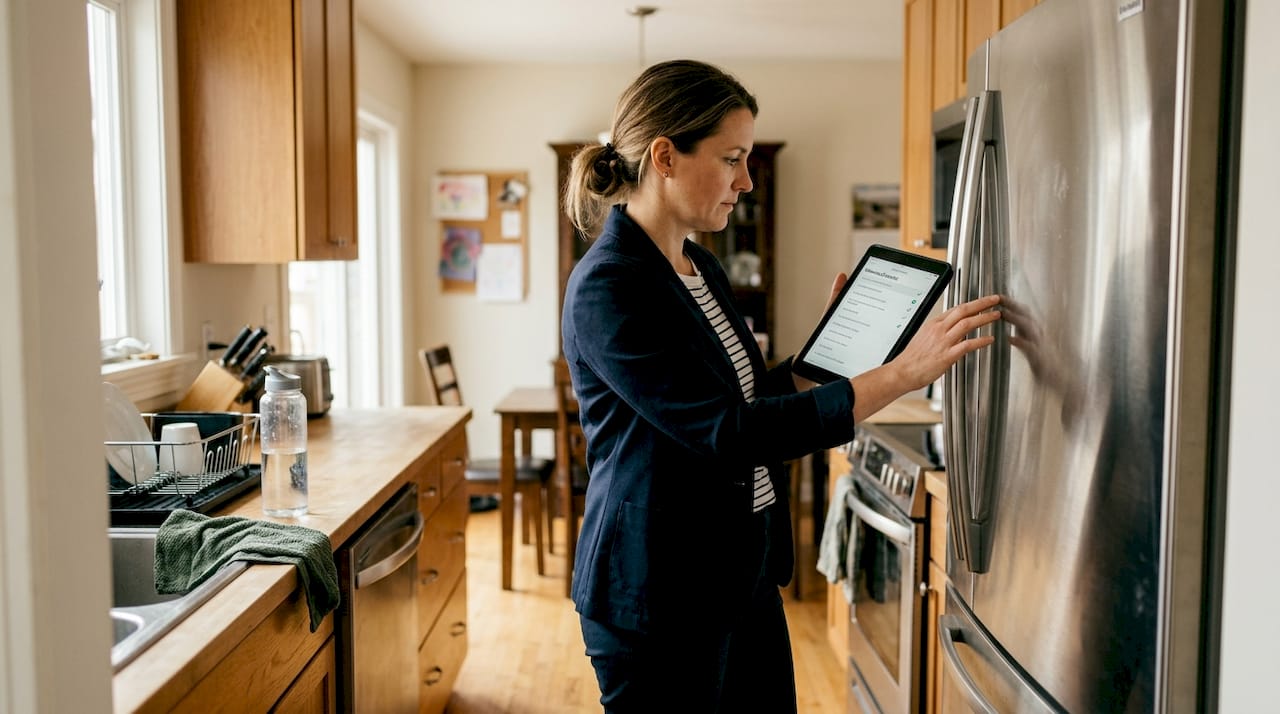
Top cleaning companies use scoring systems and digital tools with timestamping, photo evidence, and dashboards to track trends and verify work completion after every visit. Supervisors may conduct daily, weekly, or monthly checkups depending on the service level.
Here is a breakdown of common inspection methods and what they catch:
| Inspection type | Frequency | What it catches |
|---|---|---|
| Post-clean walkthrough | Every visit | Missed tasks, surface streaks |
| Supervisor spot audit | Weekly or monthly | Pattern issues, staff habits |
| Digital photo review | Every visit | Timestamped proof of completion |
| Client feedback loop | Ongoing | Satisfaction gaps, special requests |
Quality scoring systems like the APPA CAPE scale rate cleanliness on a 1 to 5 scale, giving supervisors a consistent way to flag problems before clients ever notice them. Digital dashboards then track those scores over time, revealing whether quality is improving or slipping.
For Massachusetts homeowners, this level of oversight means you are not relying on hope. You have documented proof that your home was cleaned to a defined standard. When you book inspection-level services for your home, that transparency is built in.
Pro Tip: When interviewing a cleaning company, ask how they handle a failed inspection. A great answer includes a clear re-clean policy and a root cause review, not just an apology.
Training and trust: Why staff skills and vetting matter
Even the best checklists and inspections only work if the cleaning crew is reliable and well-trained. This is the part that matters most to homeowners letting strangers into their space.
Ongoing staff training and background checks ensure consistent execution, safety compliance, and trustworthy behavior in every home. Professional cleaners go through structured onboarding that covers safety protocols, product handling, and proper technique before they ever step into a client’s home.
Here is what a rigorous hiring and training process looks like:
- Background checks: Criminal and identity verification before any hire is finalized
- Structured onboarding: New cleaners shadow experienced staff before working independently
- OSHA safety training: Proper handling of cleaning agents, equipment, and hazardous materials
- Product knowledge: Understanding which products are safe for which surfaces and situations
- Regular refreshers: Training updates when new products, methods, or regulations are introduced
For Massachusetts families, this matters beyond just clean floors. You are trusting someone with your home, your belongings, and your family’s safety. Certified cleaning teams who invest in their staff give you that peace of mind as a built-in feature, not an afterthought.
Eco-friendly practices: Quality without compromise
Safety and environmental impact matter more than ever, and Massachusetts homeowners are leading the charge. The good news is that going green does not mean sacrificing results.
Eco-friendly cleaning practices use non-toxic, biodegradable Green Seal and EPA Safer Choice products, HEPA vacuums, and color-coded cloths to prevent cross-contamination while maintaining full cleaning efficacy. And eco-products match chemical efficacy without the health risks that come with harsh chemical alternatives.
“Switching to certified green cleaning products does not mean accepting weaker results. It means protecting your family from unnecessary chemical exposure while still getting a genuinely clean home.”
Here is what a strong eco-friendly cleaning program includes:
- HEPA vacuums: Trap 99.97% of airborne particles, including dust mites, pollen, and pet dander
- Color-coded cloths: Blue for glass, red for bathrooms, green for kitchens, preventing germ transfer between rooms
- Green Seal or EPA Safer Choice certified products: Proven effective and safe for children, pets, and allergy sufferers
- Microfiber technology: Captures more bacteria and dust than traditional cotton cloths without needing harsh chemicals
- Biodegradable formulas: Break down safely without polluting Massachusetts waterways
You can explore eco-friendly product benefits in detail, compare sustainable cleaning options, or learn how these choices create healthier Massachusetts homes over the long term.
How technology raises cleaning quality and accountability
Beyond products and people, today’s cleaning pros use smart technology to ensure trust and performance. This is where modern cleaning companies separate themselves from the competition.
Digital checklists, apps like GoAudits, and photo verification enable real-time accountability and root cause analysis for any issues that arise. The result is a cleaning service that is transparent, trackable, and continuously improving.
Here is how technology works in a high-quality cleaning operation:
- Digital task lists: Cleaners check off each item in real time via a mobile app, creating a live record
- Photo uploads: Before and after photos are timestamped and stored for client review
- Geo-tagging: Confirms the cleaner was physically present at your address during the scheduled time
- Dashboard reporting: Supervisors see trends across all clients, catching recurring issues before they become complaints
- Automated client updates: You receive a summary or notification when your home’s cleaning is complete
This level of innovative cleaning technology means you never have to wonder if your home was actually cleaned. The data proves it. For busy Massachusetts homeowners, that accountability is not a luxury. It is a baseline expectation.
Special considerations: Customizing quality for Massachusetts homes
Every home is different, especially in Massachusetts. A colonial near a busy Route 9 corridor collects different dust than a newer condo in a quiet suburb. A home with three cats needs a completely different approach than one without pets.
High-dust Massachusetts environments and pet homes require tailored checklists, more frequent high-touch sanitization, and specialized eco-products to avoid triggering allergens. Professional teams adapt their frequencies, add extra sanitizing steps, and switch to hypoallergenic supplies where needed.
Pro Tip: If your home is near a construction site or you recently completed a renovation, ask specifically about post-construction protocols. Standard cleaning is not enough. Learn more about cleaning after renovation to understand what a proper post-construction clean involves.
Here is what customized quality looks like in practice:
- Pet households: HEPA vacuuming on every visit, enzyme-based cleaners for odor control, extra attention to furniture and baseboards
- Allergy-prone families: Fragrance-free products, microfiber-only cloths, and more frequent dusting of vents and ceiling fans
- Post-construction homes: Multi-stage dust removal, air vent cleaning, and surface wipe-downs before standard cleaning begins
- Busy road proximity: More frequent window sill and entryway cleaning to manage fine particulate buildup
- Vacation rentals: Rapid turnaround checklists with sanitization protocols that meet hospitality standards
The ability to customize is what separates a truly professional service from a one-size-fits-all operation. Massachusetts homes deserve that level of attention.
Trust professionals to deliver quality cleaning every time
With so many moving parts, it pays to partner with a team that puts proven systems and personal attention at the center of clean, healthy homes. Everything covered in this guide, from checklists and inspections to eco-friendly products and smart technology, is exactly how E.C. House Cleaning operates every single day.
Our family-owned team brings over 20 years of experience to Massachusetts homes, with insured, background-checked staff who follow structured SOPs on every visit. We use certified eco-friendly products, HEPA vacuums, and digital accountability tools so you always know your home was cleaned to a real standard. Whether you need a routine visit or a specialized deep clean, we build a plan around your home’s specific needs. Explore what residential cleaners offer or connect with our Massachusetts cleaning experts to get a personalized quote today.
Frequently asked questions
How do cleaners measure if a job meets quality standards?
Quality is measured using detailed checklists, routine supervisor inspections, and scoring systems like APPA cleanliness benchmarks, where an A-level score requires 90 or above. These structured plans reduce quality slips and make performance trackable over time.
Are eco-friendly cleaning products as effective as chemical ones?
Yes. Certified eco-products match chemical efficacy without the health risks, making them a smarter choice for families with children, pets, or allergies.
What extra steps do cleaners take in homes with pets or allergies?
Professionals use tailored checklists and HEPA vacuums along with more frequent high-touch sanitization and hypoallergenic products to target pet hair, dander, and common allergens.
Can homeowners access inspection or quality reports?
Many professional companies now provide digital checklists and photo verification after each visit, giving homeowners timestamped proof that every task was completed.
How often do supervisors inspect cleaning crews’ work?
Inspections can happen daily, weekly, or monthly depending on the service agreement. Supervisors use scoring systems and digital tools including photo evidence and dashboards to verify work and track trends over time.
Recommended
- Eco-Friendly Cleaning Methods – Why Healthier Homes Matter | E.C. House Cleaning
- Why use eco-friendly products: healthier homes in Massachusetts 2026 | E.C. House Cleaning
- What is included in standard cleaning: guide for homeowners 2026 | E.C. House Cleaning
- House Cleaner Checklist: Raising Cleaning Standards | E.C. House Cleaning